



.png) تسجيل دخول
تسجيل دخول  تسجيل مستخدم جديد
 .png) نسيت معلوماتي
نسيت معلوماتي.png) بقلم : محسن حسنين مرتضى السندي
بقلم : محسن حسنين مرتضى السندي .png) منذ 10 شهور
منذ 10 شهور
 عدد المشاهدات :1297
Prepared by: Mohsin Alsendi, based on a research paper in: Nature Reviews Nephrology (2025) Original Paper Title: Bioengineering and nephrology converge to drive kidney-targeted therapies Authors: Vishal Patel & Eun Ji Chung.
Abstract
Nephrology is currently witnessing a radical transformation due to the increasing intersection with the field of Bioengineering. This article, based on recent scientific reviews published in Nature Reviews Nephrology, discusses how this convergence can solve one of the greatest dilemmas in treating kidney diseases: Targeted Drug Delivery. While the kidney performs its primary function of filtering blood and expelling foreign substances, it often expels treatments before they take effect, or systemic treatments cause serious side effects. This article reviews how Nanotechnology, Biomaterials, and Molecular Engineering contribute to designing smart therapeutic carriers capable of penetrating kidney barriers and reaching infected cells with precision, moving beyond superficial narrative to a deep analysis of bio-physical interactions.
1. Introduction: Pharmacokinetic Challenges in the Renal Environment
Chronic Kidney Disease (CKD) and Acute Kidney Injury (AKI) are major global health challenges requiring precise therapeutic interventions. However, the fundamental dilemma in traditional treatments lies in "Pharmacokinetics". When medication is administered via conventional methods, it distributes systemically throughout the body, meaning its concentration in the targeted kidney tissues is negligible compared to its concentration in the blood circulation or other organs. This dispersion not only reduces therapeutic efficacy but also increases the likelihood of Off-target toxicity, placing physicians in a difficult position between increasing the dose to achieve efficacy or reducing it to avoid harm.
Furthermore, the kidney possesses a unique and complex physiological environment; it is evolutionarily designed to be a "gatekeeper" that expels foreign molecules at high speed. This high fluid flow and continuous filtration processes make it difficult for traditional drug molecules to remain in the renal tissue long enough to induce a tangible biological effect, necessitating an innovative engineering approach to circumvent these natural barriers.
2. Convergence of Bioengineering and Renal Physiology
The research paper by Vishal Patel and Eun Ji Chung indicates that the solution lies in integrating bioengineering principles with a deep understanding of kidney physiology. This convergence is not limited to developing new tools but extends to decoding the precise interactions between synthetic materials and biological tissues.
The greatest challenge lies in penetrating the Glomerular Filtration Barrier (GFB), a complex biological sieve consisting of three main layers: the fenestrated endothelium, the Glomerular Basement Membrane (GBM), and the Podocytes with their slit diaphragms. For any drug carrier to succeed, it must respect the strict physical laws of this barrier. The basement membrane, for example, possesses a strong negative charge due to the presence of heparan sulfate, imposing electrostatic constraints on passing molecules. Additionally, the precise pore size (approximately 6-8 nanometers) determines the fate of particles; smaller particles are rapidly excreted with urine, while larger particles may not cross at all or get trapped in unwanted areas.
3. Mechanisms of Precise Targeting: From Physics to Biology
Instead of relying on chance for drug delivery, researchers propose precise engineering strategies based on designing the properties of nanocarriers:
Physical Dynamics and Passive Targeting
This approach relies on exploiting the natural properties of nanomaterials and their interaction with the diseased kidney structure. Particle size plays a pivotal role here; nanoparticles designed with a specific diameter (often in the 70-100 nanometer range) tend to accumulate spontaneously in the Mesangium region. This phenomenon is particularly useful in treating Diabetic Nephropathy, where this region hypertrophies and becomes a therapeutic target. Conversely, smaller particles (less than 10 nanometers) can be engineered with surface properties that prevent rapid reabsorption, allowing them to target Tubular cells.
Along with size, Surface Charge is a critical factor. Given the negative charge of the glomerular barrier, Cationic (positively charged) particles show a strong tendency to adhere to and penetrate the basement membrane to reach Podocytes. However, this approach requires a delicate balance, as a high positive charge may cause cytotoxicity or trigger an unwanted immune response.
Active Molecular Targeting
Active targeting represents a qualitative leap in this field, where the nanocarrier is transformed into a "guided missile" by decorating its surface with Ligands, peptides, or antibodies that exclusively recognize specific receptors in the kidney. For example, in cases of Acute Kidney Injury (AKI), tubular cells increase the expression of the KIM-1 (Kidney Injury Molecule-1) receptor. Engineers can design nanoparticles carrying peptides that specifically bind to KIM-1, ensuring drug release only in damaged cells without affecting adjacent healthy cells. Furthermore, strategies targeting endocytic receptors such as Megalin and Cubilin in the Proximal Tubules open new horizons for delivering drugs requiring Intracellular delivery to function, which is crucial for gene editing therapies or nucleic acid-carrying vectors.
4. Engineering Platforms and Advanced Biomaterials
The materials used to build these vectors vary, with each material selected based on its properties in Biodegradability and Biocompatibility:
Polymeric Nanoparticles, made from materials like PLGA or Chitosan, are among the most promising platforms due to the ability to precisely control their degradation rate, allowing for slow, prolonged drug release, known as Sustained Release. This reduces dosing frequency and maintains a constant therapeutic level within the renal tissue.
On the other hand, Polymeric Micelles and Liposomes provide smart solutions for Hydrophobic drugs, encapsulating the drug in their core and protecting it from premature degradation in the blood until it reaches the target. Injectable Hydrogels also emerge as a local strategy, where a liquid substance is injected that solidifies at body temperature to form a drug "depot" under the kidney capsule, providing a high local concentration of the drug with minimal leakage into systemic circulation.
In the context of gene therapy, Viral Vectors (such as AAV) are being engineered to evade the immune system and target specific kidney cell types, opening the door to treating genetic diseases like Polycystic Kidney Disease (PKD) at their genetic roots.
5. Future Perspectives: Towards Precision and Personalized Nephrology
Researchers Patel and Chung conclude that this convergence between engineering and medicine establishes a new phase of Precision Medicine. The future lies not only in developing new drugs but in developing "delivery systems" that make existing drugs safer and more effective. However, challenges remain to be overcome, most notably the translational gap between animal models (mice) and human clinical applications, in addition to the complexities of manufacturing these nanocarriers at commercial scales (Scalability).
The success of these technologies will mean significantly reducing required drug dosages, protecting other vital organs like the liver and heart from side effects, and, most importantly, the possibility of treating kidney diseases previously considered incurable or managed only through dialysis and transplantation.
6. Conclusion
The research paper published in Nature Reviews Nephrology in 2025 confirms that we are facing a new era where boundaries between disciplines are fading. The biomedical engineer no longer works in isolation from the nephrologist; their collaboration has become an imperative necessity to understand complex biology and harness precision engineering tools. This scientific synergy brings us a vast step closer to developing radical curative therapies, not just symptom-relieving ones, reviving hope for millions of patients around the world who await kinder and more effective solutions.
References
1. Patel, V., & Chung, E. J. (2025). Bioengineering and nephrology converge to drive kidney-targeted therapies. Nature Reviews Nephrology. DOI: 10.1038/s41581-025-01037-x.
2. Chung, E. J., et al. (2023). Nanomedicine strategies for targeting kidney diseases. Nature Reviews Nephrology (Previous relevant work context).

الوضع الليلي







أخر المواضيع
- قراءة في بحوث مجلة العلمية الصادرة عن مركز المسيرة للدراسات والنشر
- كيف يساعد التلامس الآمن في تنظيم الاستجابات العصبية للطفل؟
- الصواعق الرعدية ـ قراءة جغرافية
- سلسلة مفاهيم في الفيزياء (ج121): أينشتاين وانحناء الضوء: المسارات الجيوديسية وهندسة الزمكان
- قراءة في الدروب من سيرة الشهيد القائد إبراهيم الحاج
- فاتورة المحاولة [ قصة قصيرة ]
- الجيش المصري أغلى من أطفال غزة وأرخص من عرش المملكة
- ملخص كتاب (نظام التفاهة)
- من رحاب أبي الفضل العباس... حين يتوّج العلم بالقيم
- جواز الوقف (ج) وتطبيقاتها من آيات سورة يونس وهود
- الرد على شبهة خبيثة مقيتة تُثَار حول الطائفة الحقّة المحقّة في خصوص معنى (فَخَانَتَاهُمَا) في الآية العاشرة من سورة التحريم المباركة
- الكيمياء الحيوية لنمو الجنين
مرحبا بكَ زائرنا العزيز

نتمنى أن تكون في تمام الصحة والعافية
تحذير! هل انت متأكد من حذف هذا المقال مع الردود عليه ؟
 Bioengineering and Nephrology: A Strategic Convergence to Enhance Targeted Therapies




اعضاء معجبون بهذا


حين يتحول المريض إلى زبون... وتغدو المهنة تجارة

بقلم الكاتب : نوري حسين نور الهاشمي
حين يتحول المريض إلى زبون... وتغدو المهنة تجارة
الأستاذ الدكتور نوري حسين نور الهاشمي
17/10/2026
قبل ثلاث سنوات دفعتني معاناة صحية إلى مراجعة طبيب اختصاص في جراحة المسالك البولية، كان يوصف بأنه من أفضل الأطباء في المحافظة. وعندما وصلت إلى عيادته استوقفتني لافتة كبيرة ازدحمت بالألقاب والشهادات والزمالات،... المزيد
المزيد من المقالات الإجتماعية
|
قراءة في الدروب من سيرة الشهيد القائد إبراهيم الحاج ((أبو محمد السلمان)) للكاتب عبد... المزيد
|

|
|
كانت تلاحقه خيبات عام 2024 في أفق الذاكرة كغيوم داكنة لا تمطر سوى الأسى، حاملة معها... المزيد
|
|
|
في أعالي جبال كازاخستان، حيث تتجمع أسراب طيور الفلامينكو استعداداً للدفء، كان... المزيد
|

|
|
كانت الساعة قد تجاوزت منتصف الليل والسماء تمطر بغزارة والبرد يتسلل من شقوق... المزيد
|


|
|
في صباحٍ بغداديٍّ مثقلٍ برائحة الغبار والدخان، دخل إلى دار الأستاذ هشام طفلٌ لا... المزيد
|

|
|
شعّت الأكوان مُذ بانَ الحَسَن
وأُزيحَ الهـــمّ منهــــا والشَّــــجَن
... المزيد
|

|
|
كانت غرفته في الفندق تشبه عمرًا منسيًا؛ جدران باهتة، أثاث متهالك، سرير يئنّ كلما تحرك،...

|
|
|
لم يرغبوا في إيقاظها اليوم كما أشار عليهم خالهم، علّها تستغرق في النوم كي ترتاح قليلا.......
|
|
|
في غياهبِ تلكَ الناحيةِ العتيقة، كان يربضُ "البيتُ العظيم"؛ صرحٌ باذخٌ يمتدُّ على ألفِ ذراعٍ...
|
|
|
لم يكن السكون في تلك الغرفة الخشبية الضيقة هدوءًا عاديًا، بل كان وزنًا هائلًا يستقر فوق كل...
|
|



.png) منذ 7 ايام
2026/10/20
منذ 7 ايام
2026/10/20
خلق الإنسان: قال الله تعالى: ﴿ثُمَّ مِنْ عَلَقَةٍ ثُمَّ مِنْ مُضْغَةٍ﴾ [الحج:...
|
 منذ 7 ايام
2026/10/20
منذ 7 ايام
2026/10/20
تخيّل أن تدخل سيارتك، وتحدد وجهتك على الشاشة، ثم تنطلق السيارة في الطريق وتتعامل...
|
 منذ 7 ايام
2026/10/20
منذ 7 ايام
2026/10/20
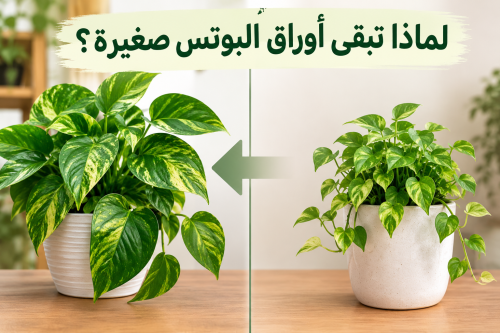
هل لاحظت أن نبات البوتس لديك يطيل سيقانه باستمرار، بينما تبقى أوراقه صغيرة؟ ثم...
|



 "المهمة".. إصدار قصصي يوثّق القصص الفائزة في مسابقة فتوى الدفاع المقدسة للقصة القصيرة
 (نوافذ).. إصدار أدبي يوثق القصص الفائزة في مسابقة الإمام العسكري (عليه السلام)
 قسم الشؤون الفكرية يصدر مجموعة قصصية بعنوان (قلوب بلا مأوى)
 EN
EN