الوضع الليلي


 12:44:20
  2026-08-25
  1016
1016
“Be patient in all things in life, but above all, be patient with yourself.”
— Saint Francis de Sales
Many habits can cause irreversible damage to the brain. Among them, and one that should be strongly avoided, is inhaling glue. This habit causes particles of adhesive to enter the lungs and, according to the text, can lead to what is known as “Swiss cheese syndrome,” in which the brain literally becomes filled with holes.
You should also avoid snorting cocaine and smoking if you want to maintain a healthy brain. It is difficult to rank these two habits according to their danger; the former increases the likelihood of suffering a stroke eightfold, while the latter increases it threefold. Smoking also greatly increases the likelihood of developing Alzheimer’s disease and is responsible for more than ten types of cancer that can affect the brain. It is not surprising that tobacco is extremely harmful, given its dangerous effects on the cardiovascular system. Nicotine and tar increase arterial stiffness, raise blood pressure, and reduce the flow of oxygen to the brain, causing headaches, anxiety, and memory problems at any age. I do not wish to go into greater detail about the consumption of toxic substances, since I believe that most readers do not use cocaine or inhale glue, and smokers are well aware of the harmful effects of smoking on their health, although some may not know that smoking increases the risk of Alzheimer’s disease.
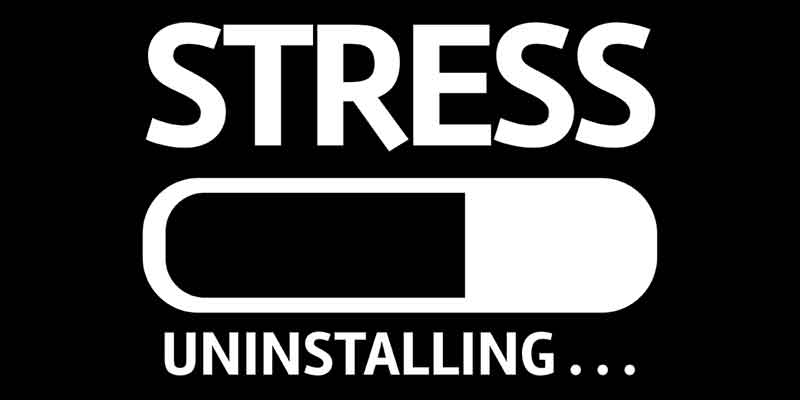
Putting these toxic substances aside, what I am about to mention is one of the most harmful habits for your brain: stress. This may surprise you, but in this discussion we will examine how stress affects your brain and its aging, and how it determines your ability to think and feel. Stress is the true epidemic of our age.
If you need to do several things at once, become irritated when waiting, have an extremely busy schedule, work too much, or simply find it difficult to get enough rest, you are part of the 30% of people who live with chronic stress. Even if you are not addicted to stress as a way of life, life can easily place you in situations that trigger stress responses more often than you would like, such as feeling rushed by work demands, trying to balance family and professional life, or dealing with special circumstances such as caring for a sick person or being unemployed.
Stress is the body’s response to a threat. When faced with potential danger, the body releases a group of hormones, most importantly cortisol and adrenaline. This causes your pupils to dilate, your blood pressure to rise, and your heart rate and breathing rate to increase—the same symptoms you would experience when confronted by a bear or a lion. Although it is rare for you to be attacked by a wild animal in everyday life, and although you do not live in a world where your life is constantly threatened, you certainly know what stress feels like. In fact, you have probably experienced various stressful situations during the past week.
Why does an extraordinary physiological response become so familiar? The main reason is that once you experience pressure that awakens your body into this state, something that may initially seem like a last resort—for example, finishing a task on time or studying for an exam at the last minute—can become a very harmful habit when used unnecessarily.
Unfortunately, the ability of stress to push us beyond our limits has found a welcoming environment in an extremely competitive and fast-paced society. Unlike traditional cultures such as those of Okinawa or the Mediterranean islands, modern life encourages stress, and many people deal with it every day in order to achieve increasingly ambitious goals, pushing beyond pain, fatigue, and even illness.
It is well known that a moderate amount of stress allows us to work or study faster, more efficiently, and for longer periods. You may feel that stress helps you move forward, makes you feel comfortable, or that it is simply part of your personality, although this is a false belief.
On our deathbeds, no one wishes they had spent more time at work rather than at home. No one regrets the work they failed to complete as much as they regret the things they could not say to their loved ones. No one cries over the happy moments they spent with their manager; they cry over the moments they spent with their family.
Far from bringing us closer to success or happiness, it becomes increasingly clear each day that continuously exceeding our physical limits has serious, and in many cases irreversible, consequences for our health, morale, and professional success.
In the 1950s, stress had a major impact on businessmen. At that time, the first studies on stress began to reveal its harmful effects on health and its connection with anxiety problems and suppression of the immune system. In the 1980s, stress became so common that it even appeared in films portraying managers rushing through meals while trying to make millions through a few phone calls.
Today, stress affects people from all social classes. Picking children up from school, arriving at work on time, taking exams, workplace discussions, and health problems are all situations that test our ability to remain calm.
The negative consequences of stress go beyond disturbing our inner peace. Stress has well-known effects on the heart and arteries, placing it among the major factors contributing to stroke. In my work, I meet people who have suffered strokes, and like many readers, they believed that stress helped them excel or was simply part of their personality.
These people, many of whom had active professions, often lose the ability to speak or move and rarely return to work. There are many factors connecting stress with heart attacks and strokes. However, perhaps the most fascinating studies in this field are those linking stress to premature aging of the brain and an increased susceptibility to Alzheimer’s disease.
If you know people who live with high levels of stress, you may have noticed how the color of their hair, their skin, or the area around their eyes reflects the accelerated passage of time. Several years ago, researchers discovered how stress reduces the production of an enzyme responsible for delaying the aging of cells. As a result, the cells of a 50-year-old person may reflect the biological age of someone who is 60.
This is why people who live under constant pressure may suffer from dark circles, wrinkles, and premature graying. You may not care much about your physical appearance, but you certainly care about your psychological health. In this case, you should know that if you suffer from chronic stress and are 40 years old, your brain cells may biologically resemble those of a 45-year-old. By the time you reach 65, if you are fortunate enough not to suffer a stroke, your nerve cells may function as though they belonged to someone who is 75.
In addition, a team of German researchers recently explained that stress promotes, or at least accelerates, the onset of Alzheimer’s disease. According to these researchers, prolonged exposure to stress depletes the body’s immune response and causes inflammation in the brain, which is associated with a faster progression of Alzheimer’s disease.
Stress also negatively affects your mental abilities. The release of stress hormones reduces levels of attention and concentration. On the other hand, stress may prevent the appearance of the delta waves that are essential for deep sleep and support the immune system, as well as being extremely important for memory.
As for the ability to think, many people believe that stress helps them make better decisions. This may be true when time is limited, but when time is not the decisive factor, people who suffer from chronic stress make poor decisions, make more mistakes, and become less capable of social communication.
In addition to its serious consequences for blood pressure, the immune system, memory, and resistance to brain diseases, excessive stress also affects your emotional well-being. A stressed person focuses on unfinished tasks and a crowded schedule full of responsibilities, preventing them from appreciating other aspects of life that are more enjoyable and fulfilling.
In other words, stress hijacks attention and limits a person’s ability to enjoy life. If you are proud of your role as a father, a stressful week may prevent you from spending even one day helping your children with their homework. If you love fishing, you may find yourself unable to think about fishing very much. If cooking helps you relax, stress may keep you away from the stove for days or even weeks.
Whatever your sources of enjoyment, identity, or achievement may be, you will find that during stressful periods you devote less time to these aspects of your life. Social neuroscience provides interesting information about the effects of stress on emotional well-being.
We have long known that people experiencing stress also lose the ability to maintain good social relationships. A recent study examining our ability to help others found that the key factor predicting whether a person is likely to behave selfishly or altruistically is not generosity or willingness to help, but rather the person’s level of stress.
In other words, people who are selfish but free from stress and pressure may be more willing to help others than people who consider themselves generous but live in a constant state of haste and stress.
You may have noticed that during periods of pressure, when you do not have enough free time, the needs—and even the existence—of others seem to disappear from your awareness. I personally experienced this during the days leading up to the preparation of an important conference or lecture. I would not have enough time to talk to my wife and children, and several days might pass without speaking to my parents, sisters, or close friends. Worse still, during those days I would not even notice that they had almost disappeared from my thoughts.
Indeed, it is sad to see how a busy life can erase the essence of generosity in a person, diminish their ability to do the activities they love, and distance them from the true meaning of life. All of these things contribute significantly to finding happiness.
In addition to limiting your ability to pay attention to the things that bring you happiness and satisfaction or awaken your good qualities, prolonged exposure to stress has even more dramatic consequences for your psychological health.
According to studies, the accumulation of stress over several years in the nervous system suppresses the happiness hormone serotonin irreversibly. The result, as you can imagine, is devastating. When your ability to produce this hormone is affected, your chances of enjoying things permanently decrease.
In addition, prolonged exposure to stress can literally exhaust your body, reduce your ability to cope with difficulties, and increase levels of inflammation in the brain, contributing to an increased risk of anxiety and chronic depression.
The truth is that living far away from the stress imposed by modern society is extremely difficult. If I asked you what the first thing you did after waking up this morning was, your answer would probably not be that you hugged your spouse, read the newspaper with pleasure, or even went to the bathroom. Most likely, the first thing you did after opening your eyes was look at the clock. Am I wrong?
We live in a world obsessed with speed. We wake up, get dressed, move around, work, and eat as quickly as possible. The worship of speed has reached the point where many people become irritated by those who drive, work, make decisions, or speak slowly.
Toward the end of the twentieth century, a movement emerged in Italy to oppose the culture of speed and promote the benefits of slowing down. The “Slow” movement was born in Rome’s Piazza di Spagna as a protest against the opening of a fast-food restaurant beside the Spanish Steps. Many Italians sat down to eat traditional food, and the movement proposed becoming an alternative to the excessive speed that polluted every aspect of life.
Followers of this movement cook traditionally, walk, or ride bicycles, perform tasks one at a time and slowly, set aside time to listen, eat slowly, drive at a relaxed pace, practice intimacy without haste, and reduce the number of activities and unfinished tasks. By seeking to slow down all human activities, they aim to live more peacefully and feel happier.
The philosophy of slowing down regained influence in many Italian cities and villages and began spreading to other countries such as Norway, Germany, England, and Spain.
The international organization Cittaslow International supports this movement and allows communities to join it. It provides guidance on measures aimed at creating spaces and activities that help residents develop a culture of slowing down.
In some of these cities and towns, there are even Wi-Fi-free areas that encourage people to sit and talk without looking at their mobile phones. They provide parents with more time to spend with their children and replace additional classes with family time.
The philosophy has spread beyond these towns. Increasing numbers of managers and employees at major companies are replacing a hectic pace with a calmer one. Parks in large cities have become filled with people wanting to disconnect from the pace of work during their lunch breaks. Cycling has become a popular means of transportation, and some people even prefer to reduce their salaries and working hours in order to enjoy more free time.
If you are someone who suffers from stress, approaching the philosophy of slowing down through some of the recommended reading can help you discover a life free from stress.
We know that there are genetic factors that make some people more vulnerable to stress. Nevertheless, it seems clear that becoming immersed in stress is ultimately an individual responsibility.
Perhaps you are someone who enjoys emotional ups and downs, suffering, or feelings of stress because, in the end, a person feels happy when these feelings disappear—even if only for a moment. It may be like wearing tight shoes so that you experience intense comfort when you take them off at the end of the day.
Instead of making your greatest ambition simply to obtain a little rest at night, it may be possible to achieve a degree of well-being free from stress and discomfort. You must make a decision, organize your daily routine, or simply change the way you deal with difficult situations.
For many of us who suffer from stress, applying the philosophy of slowing down to our cities, workplaces, or, even better, our brains may be beneficial. In fact, we can train our brains to live at a slower pace. Finding a source of motivation is therefore important, and one useful way of achieving this may be to receive good treatment from an experienced psychotherapist. By working together with you, the therapist can help you accept the limitations of time as well as accept yourself, and discover that a slower pace does not limit your ability to succeed. On the contrary, it makes it easier to move stress away from your life.
Practical Tips
Stress is one of the greatest enemies of your mind and happiness. Here are some tips that can help you keep stress out of your life:
Reality Of Islam |
|

Researchers

MIT enginee

Scientists
 9:3:43
2018-11-05
9:3:43
2018-11-05
10 benefits of Marriage in Islam
7:5:22
2019-04-08
benefits of reciting surat yunus, hud &
9:45:7
2018-12-24
advantages & disadvantages of divorce
11:35:12
2018-06-10
6:0:51
2018-10-16
2:5:14
2023-01-28
1:34:8
2022-02-01
12:10:56
2022-11-17
a hero waters thirsty wild animals
9:4:9
2022-01-06
9:50:37
2023-02-28
5:58:12
2021-12-18
8:39:51
2022-09-23
5:41:46
2023-03-18
| LATEST |
 HOME
HOME