الوضع الليلي


 10:0:24
  2026-02-10
  2194
2194
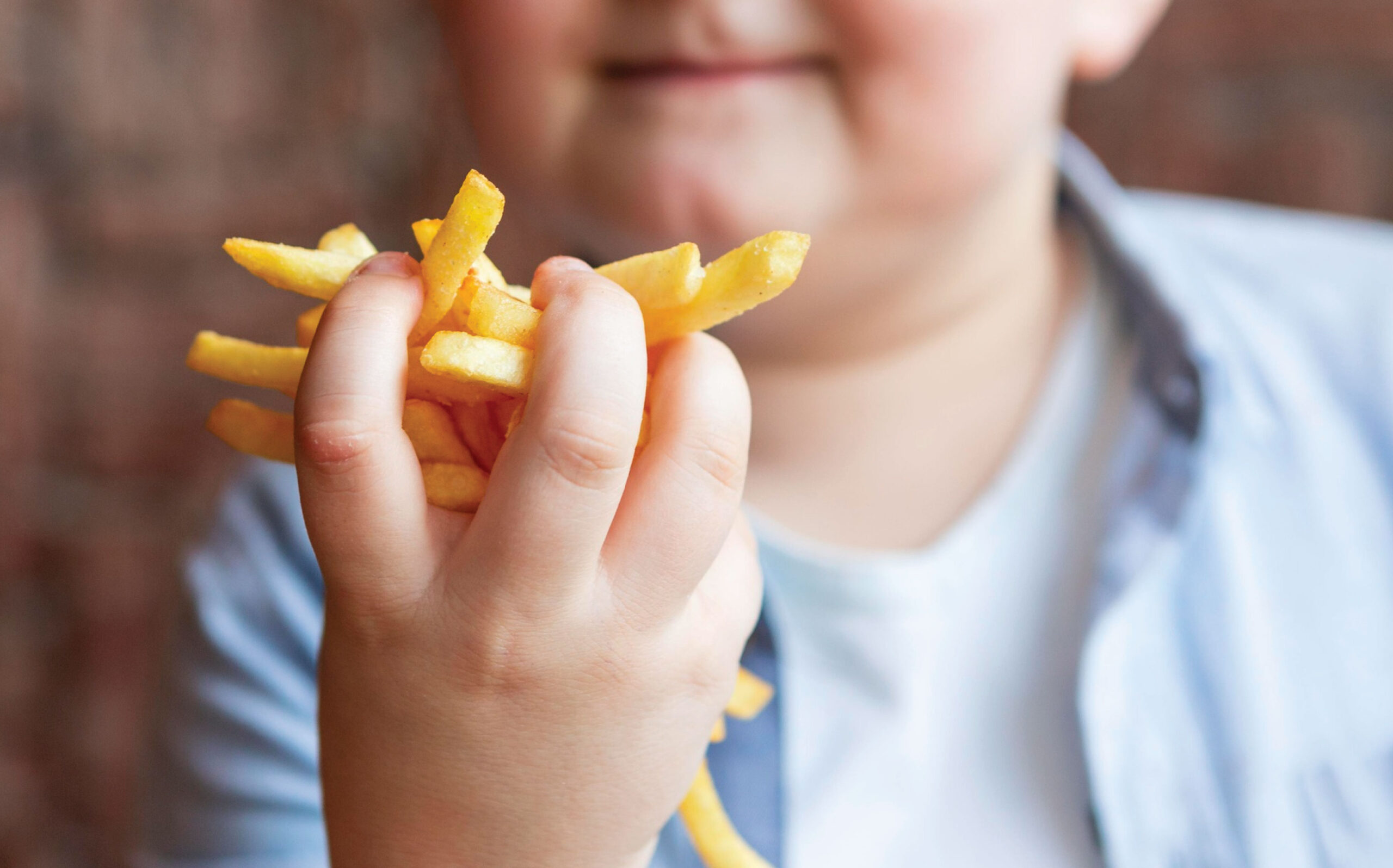
Childhood obesity is big news and unfortunately, like the waistbands of our nation’s children and teenagers, it’s set to get even bigger.
Childhood Obesity Statistics
Statistics from the most recent large-scale survey in the UK shockingly reveal that 25 percent of boys and 33 percent of girls aged between two and 19 years are overweight or obese – and there’s little sign the incidence is slowing.
Obesity currently costs the country around £2 billion annually and shortens lives by nine years, due to the associated health problems. Some health experts even believe we’ll soon see parents outliving their children.
Equally worrying is the fact that parents are getting so used to seeing overweight kids, they don’t recognise their own children are obese.
Last year, a study from the Peninsula Medical School in Plymouth, revealed that:
Risks of Obesity in Children
Health experts are particularly worried about this in view of the health risks linked with obesity, which include heart disease, certain cancers, high blood pressure, joint problems, psychological difficulties and diabetes.
An American study in the 90s showed that overweight teenagers were eight and a half times more likely to develop high blood pressure and almost 2 and a half times as likely to have high blood cholesterol levels.
Meanwhile, in recent years there’s been an alarming rise in the number of children being diagnosed with Type 2 diabetes, a condition that’s typically seen in overweight middle-aged adults.
Diabetes UK believes there are currently around 100 children with the condition, although some experts believe the figure could be as high as 1,400 based on the number of overweight and obese schoolchildren there are in the UK. Experts relate this solely to the increase in childhood obesity.
Why are our Children Getting so Fat?
Unfortunately, there’s no mystery! Quite simply, many children do little exercise and eat a diet that’s packed with junk food. (See also Children's Portion Sizes)
School Dinners and Junk Food
Numerous studies confirm what celeb chef Jamie Oliver discovered when he started looking more closely at school dinners – that children consume too much sugar, salt and saturates and eat only two portions of fruit and veg each day.
The problems start early in life. A survey by Mother & Baby magazine in 2004 revealed that nine out of 10 toddlers eat junk food, with chocolate, biscuits, crisps, fish fingers, chips, cake and chicken nuggets appearing in their top 10 favourite foods.
And this is just the tip of the iceberg – children's diets generally get worse as they get older and more food is eaten outside the home. Indeed, according to school dinners catering company Sodexho, eight to 16 year olds spend £549 million a year on the way to and from school, mostly on confectionery, crisps and fizzy drinks – an increase of 213 percent in just seven years!
How Can We Stop our Children from Piling on the Pounds?
Unsurprisingly, most health experts agree one of the most important factors in the fight against childhood obesity is to encourage healthy eating habits from an early age.
Reality Of Islam |
|

Researchers
MIT enginee
Scientists
 9:3:43
2018-11-05
9:3:43
2018-11-05
10 benefits of Marriage in Islam
7:5:22
2019-04-08
benefits of reciting surat yunus, hud &
9:45:7
2018-12-24
advantages & disadvantages of divorce
11:35:12
2018-06-10
6:0:51
2018-10-16
allah will not answer all your prayers
6:56:28
2022-01-01
8:19:41
2018-06-21
2:5:14
2023-01-28
10:35:40
2022-05-26
8:39:51
2022-09-23
9:42:16
2022-10-19
8:3:0
2018-06-21
5:41:46
2023-03-18
| LATEST |
 HOME
HOME