الوضع الليلي


 2:31:11
  2018-04-07
  2859
2859

Modern medicine has proven as well as displayed many facts that go hand in hand with what the Ahlul-Bayt have said over 14oo years ago. Many topics were greatly discussed by members of the Ahlul-Bayt but because of all the misconceptions that surround the Religion of Islam people seem to disregard or ignore these facts.
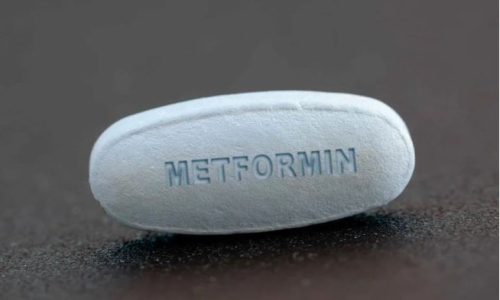
One of these topics is overeating. Overeating has many negative results. Modern medicine has proved that most of the diseases, curls, lines on the skins that deform the attractive lineaments of men and women, accumulation of fats, deepness of eyes, exhausting powers, and ailed mentalities the reason of all these defects is the continuous gluttony and the fatty foods. It has been also proved that overeating exhausts the stomach and creates various sorts of healthy troubles, such as arteriosclerosis, angina pectoris, hypertension, and diabetes
Abu al-Hasan (AS) said: “If people have moderate food, their bodies will be healthy.” He (AS) once ate some dates, drank water, and then beat on his stomach with his hand and said: “Away with him who lets his stomach cause him to be in Hell.”
Allah (SWT) has created Mankind for a purpose that is so divine that if they were to follow it they would be considered above the angels. When a human forgets this divine message and purpose and focuses on matters that are so irrelevant they will eventually go astray.
It is necessary for the overeater to try his best to train himself on moderate food. The protective and remedial constitution of health is the moderation of food and the avoidance of overeating.
Imam Ali (peace be upon him) has said, “A person who would like the food to not cause him harm should not eat until his bowels are clear and he feels very hungry. When he begins to eat, he should recite ‘Bismillah’. The food should be chewed, and when there is a little bit of hunger left to be appeased, he should stop eating.” Indeed Allah says in the Qur’an, “…eat and drink, and be not extravagant” (7:31) and the Holy Prophet (peace be upon him and his progeny) has said, “We are a people who do not eat until we feel hungry, and when we eat we do not satiate ourselves (we do not eat excessively).” A very simple narration of the Prophet that we can always keep in mind: “Eat when you desire and stop while you still desire.”
Allah (SWT) does not forbid us from eating, on the contrary Allah (SWT) encourages us to eat, but as with everything else it must moderate and only want the human body truly needs.
Reality Of Islam |
|

Charged rai

NASA has de
MIT researc
 9:3:43
2018-11-05
9:3:43
2018-11-05
10 benefits of Marriage in Islam
7:5:22
2019-04-08
benefits of reciting surat yunus, hud &
9:45:7
2018-12-24
advantages & disadvantages of divorce
11:35:12
2018-06-10
6:0:51
2018-10-16
6:14:17
2018-06-21
4:25:57
2023-02-11
11:2:27
2022-10-06
8:39:51
2022-09-23
2:2:13
2022-10-08
6:14:3
2023-01-18
9:39:36
2022-12-28
5:41:46
2023-03-18
| LATEST |
 HOME
HOME