الوضع الليلي


 10:5:35
 2024-03-01
 1765

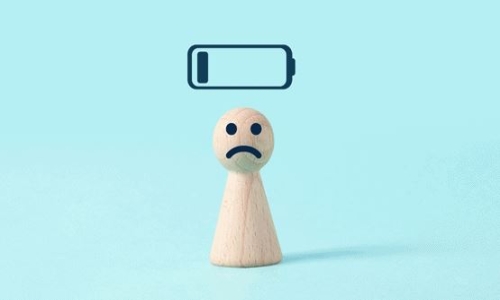
Electric vehicles (EVs) are due for huge upgrades in driving range and charging times as new battery technologies are introduced.
Lithium-ion batteries could be obsolete in a few years as alternatives like lithium-sulfur, lithium-air, and lithium-metal enter production, Meanwhile, quantum battery charging promises to reduce charge times from hours to seconds.
Lithium-ion batteries are the standard in EV manufacturing, but the median driving range for a fully charged Li-ion vehicle actually dropped in 2021 to only 234 miles. Superior energy density in lithium-sulfur (Li-S) batteries is seen as a replacement that could boost range up to five times to around 1,000 miles.
Scientists at the University of Michigan have produced a stable lithium-sulfur battery using Kevlar the material used in body armor, to increase the amount it can be charged and discharged – its cycle life. Fibers in the Kevlar stop dendrites, strands of lithium, from growing between the electrodes and destroying the battery.
Research group leader Nicholas Kotov called the design “nearly perfect” in terms of capacity and efficiency. The battery can handle summer heat and winter cold extremes found under the hood, and in real-world driving conditions, its lifespan should be 1,000 cycles or ten years.
Sulfur is a great alternative for EVs because it is a fraction of the cost of metals like cobalt used in lithium-ion battery electrodes, and there is simply more of it. Battery researchers say the Li-S battery’s energy density could theoretically be 10 times higher than the best Li-ion battery, so it will drive further, be safer and more environmentally friendly, for less money.
Berlin startup Theion says its Li-S battery will use only sulfur, graphene, and lithium instead of Li-ion’s mix of more expensive metals that include nickel, cobalt, manganese, copper, and aluminum. Mainstream electric cars fitted with its battery could achieve around 900 miles on a single charge.
In Japan, university researchers have teamed up with a telecommunications company to develop a lithium-air battery with an energy density (500 Wh/kg) two to five times better than Li-ion. Lithium-air uses lithium and oxygen from air to create current and has potential as a more efficient, lightweight, and cheap alternative to heavier Li-ion batteries.
So far the team has tested the battery at room temperature and is now looking at higher performance materials to replace components that do not improve battery reactions or its cycle life.
Added to these breakthroughs in battery materials and energy density are newer quantum technologies that will speed up vehicle charging times. Lithium-metal, often talked about as solid-state batteries, are long-lasting and capable of rapid charging. Especially when they are paired with quantum technologies that connect all the battery cells simultaneously.
Korean researchers say their work on quantum batteries shows cars could charge at home in three minutes rather than overnight. At rapid charging roadside stations that could be reduced from 30 minutes to 90 seconds. And once investments in quantum charging and batteries are made, it could revolutionize transport and the way we use energy worldwide.
Reality Of Islam |
|

Keeping sil

Two experim
Changing a
Plants are
 9:3:43
2018-11-05
10 benefits of Marriage in Islam
7:5:22
2019-04-08
benefits of reciting surat yunus, hud &
9:45:7
2018-12-24
advantages & disadvantages of divorce
11:35:12
2018-06-10
6:0:51
2018-10-16
2:13:43
2022-05-27
al-hussain (peace be upon him)
10:18:1
2022-09-21
2:33:4
2023-02-15
10:43:56
2022-06-22
8:25:12
2022-03-09
7:59:14
2018-06-21
1:34:8
2022-02-01
5:41:46
2023-03-18
| LATEST |
 HOME