الوضع الليلي


 10:2:55
  2023-11-14
  1758
1758
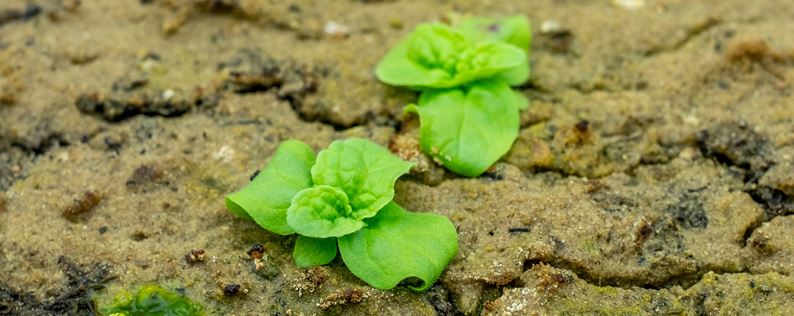
All the way back in 1879, botanist William Beal of Michigan State University (MSU) buried 20 bottles to start an experiment on seed longevity. More than 140 years later, some of the seeds from the latest bottle to be dug up have been germinating.
In a new study, researchers from MSU evaluated the genomes of the plants grown to determine whether they truly matched those described by Beal. The genetic testing revealed a surprise, and the findings add to our knowledge of long-lasting seed species and seed viability in natural soil conditions.
"The biggest surprise to me is that the seeds germinated again," says plant biologist Frank Telewski, from MSU. "It's amazing that something so old can still grow."
At the outset of the experiment, each of the 20 bottles was filled with more than a thousand seeds, covering 21 species. The bottles were buried with their mouths slanting downward, so that water wouldn't collect in them.
The main aim was to help farmers figure out how to deal with weeds that persisted in the ground – way before pesticides were invented – and the idea was to dig up a bottle every five years. As time has gone on, researchers have extended the time between excavations, and a new bottle is now excavated every 20 years.
While many of the seeds are dead, a few aren't – and for the first time in this experiment (now the longest-running of its kind), the team has used the latest DNA analysis technology in order to properly identify which seed species are still going strong.
"The molecular genetics work confirmed the phenotypes we saw, which is that the plants were Verbascum blattaria, or moth mullein, and one hybrid of Verbascum blattaria and Verbascum thapsus, or common mullein," says plant biologist Grace Fleming, from MSU.
"Beal stated that he included only Verbascum thapsus seeds, so some mix-up must have happened while the bottles were being prepared."
With four bottles remaining, the experiment is scheduled to run until 2100. The bottles remain in a secret location so they can't be opened or tampered with by anyone outside of the research team.
And while we've seen older seeds still sprouting, no study has been this consistent and deliberate in its methods over such a long time, even as the aims and relevance of the research have changed over time.
"In the 140-plus years since the experiment's start, the question of seed bank longevity has gained new relevance, including for rare species conservation and ecosystem restoration; for example, prairie plantings on former farmland," says ecologist Lars Brudvig, from MSU.
Reality Of Islam |
|

A study of

Researchers

MIT enginee
 9:3:43
2018-11-05
9:3:43
2018-11-05
10 benefits of Marriage in Islam
7:5:22
2019-04-08
benefits of reciting surat yunus, hud &
9:45:7
2018-12-24
advantages & disadvantages of divorce
11:35:12
2018-06-10
6:0:51
2018-10-16
5:57:34
2023-03-18
11:2:27
2022-10-06
8:19:41
2018-06-21
2:5:14
2023-01-28
7:6:7
2022-03-21
9:39:36
2022-12-28
1:34:8
2022-02-01
5:41:46
2023-03-18
| LATEST |
 HOME
HOME