الوضع الليلي


 10:2:18
  2022-09-20
  2249
2249
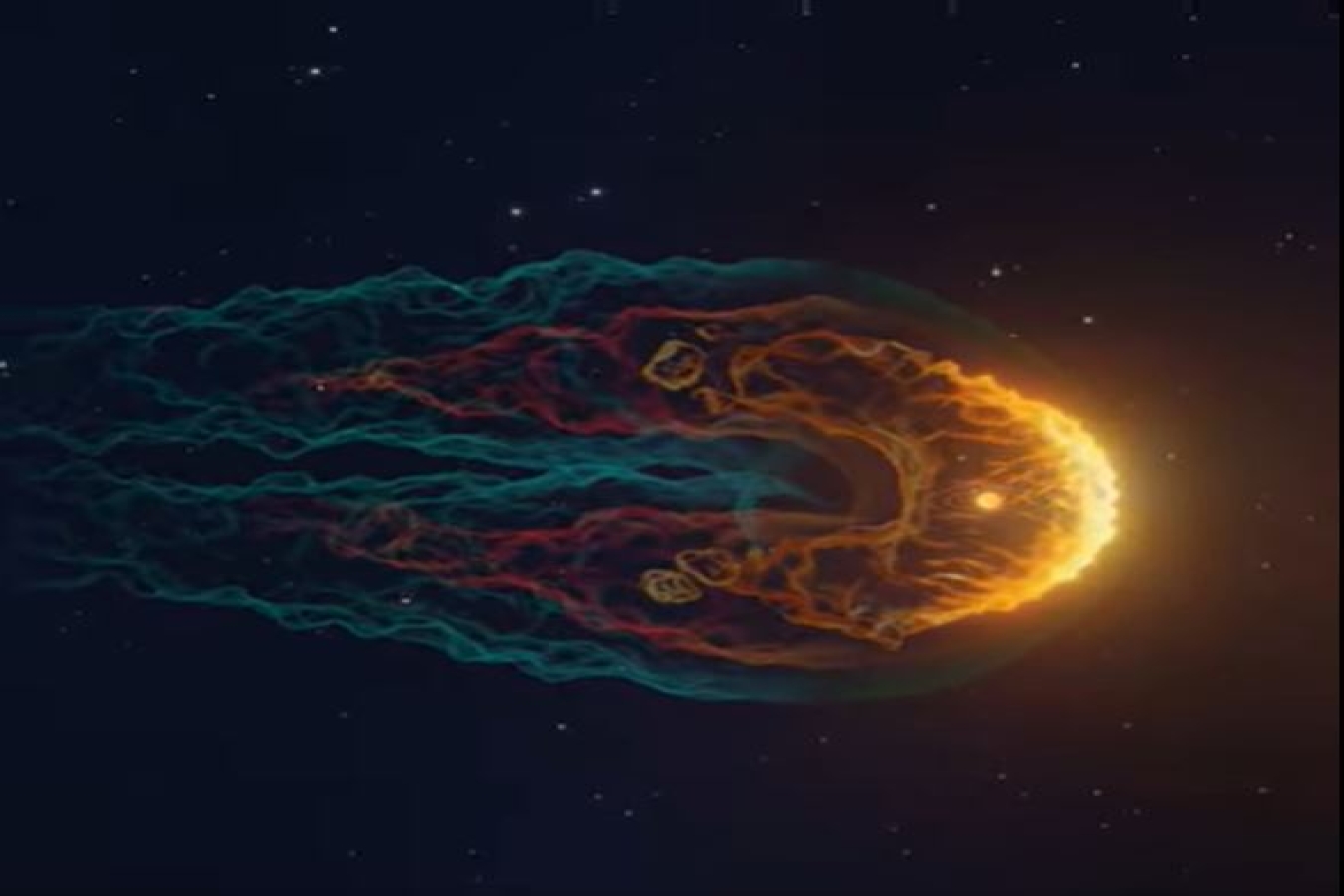
Our Solar System is shaped like a giant shrimp (or a croissant )
The Sun produces powerful solar winds that wrap around the planets in our Solar System like a giant bubble. This magnetic bubble (called the heliosphere) protects the planets from harmful cosmic radiation emitted by powerful cosmic events like supernovae.
Previously scientists thought the heliosphere might be shaped like a comet, with a distinct, pointed “nose” and a long, sweeping tail. But, according to research published in Nature Astronomy in 2020, that's not the case. The truth is a bit weirder
After conducting a series of simulations using data from various NASA missions, a team of astronomers now believes that our Solar System's heliosphere may be shaped like a giant shrimp or “deflated croissant.” Here is an artist’s visualization that shows its possible shape
Reality Of Islam |
|

Keeping sil
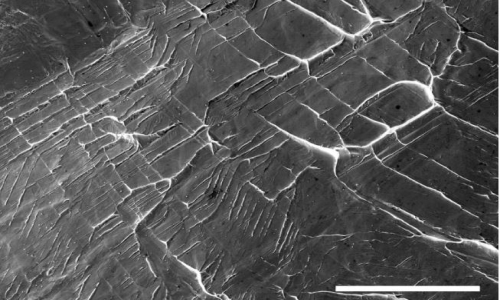
Two experim
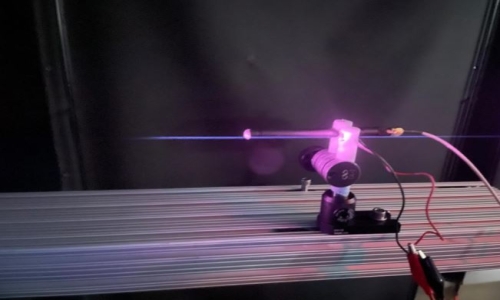
Changing a
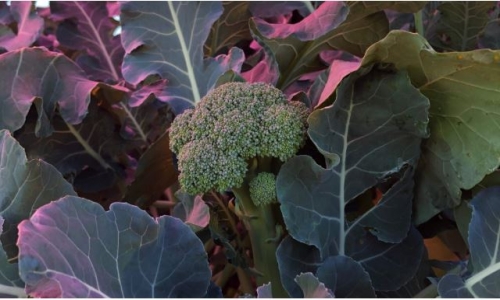
Plants are
 9:3:43
2018-11-05
9:3:43
2018-11-05
10 benefits of Marriage in Islam
7:5:22
2019-04-08
benefits of reciting surat yunus, hud &
9:45:7
2018-12-24
advantages & disadvantages of divorce
11:35:12
2018-06-10
6:0:51
2018-10-16
8:15:37
2023-02-16
2:2:13
2022-10-08
2:33:4
2023-02-15
9:50:37
2023-02-28
allah will not answer all your prayers
6:56:28
2022-01-01
1:34:8
2022-02-01
al-hussain (peace be upon him)
10:18:1
2022-09-21
5:41:46
2023-03-18
| LATEST |
 HOME
HOME