الوضع الليلي


 7:12:55
 2019-11-18
 1579
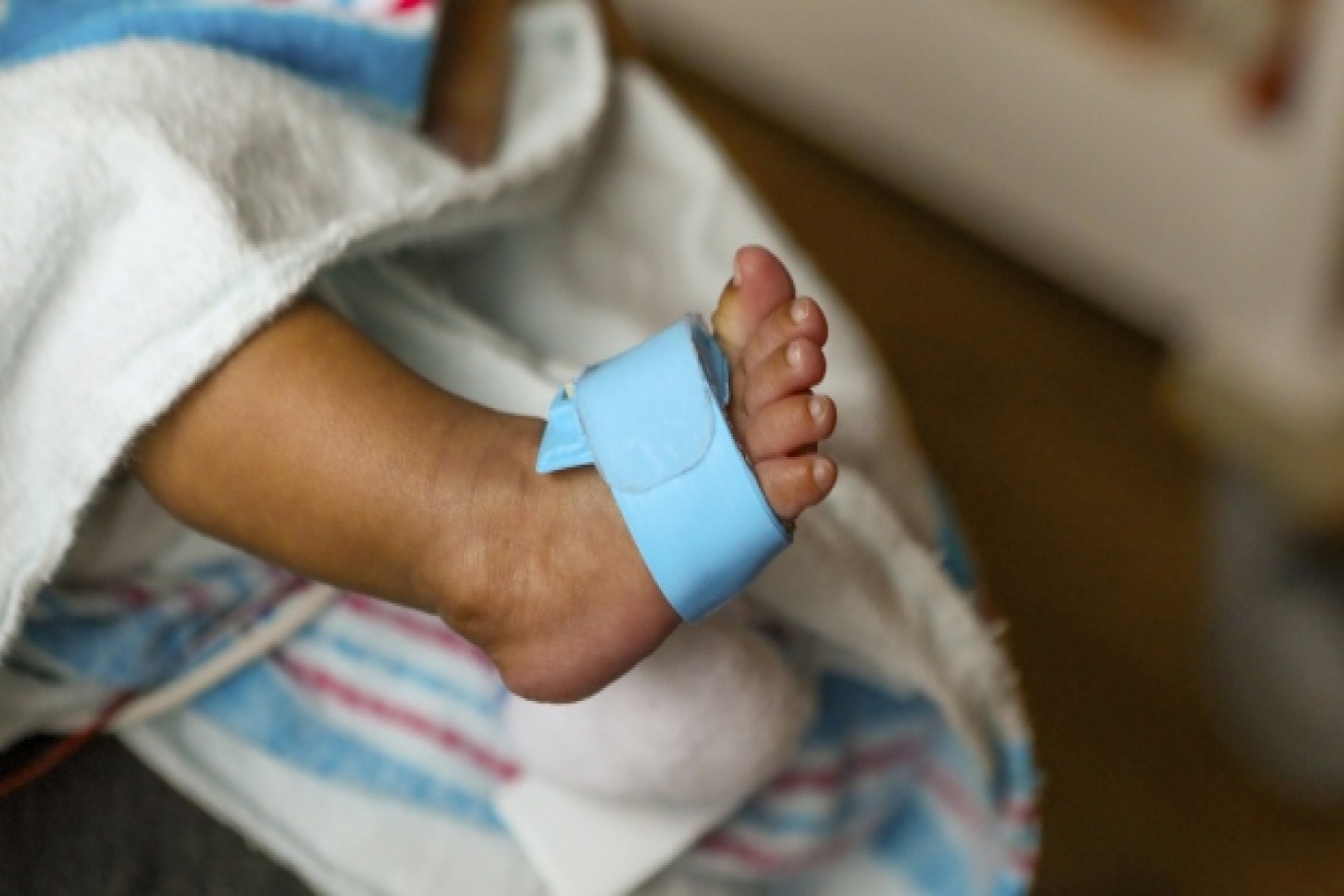
Researchers at Worcester Polytechnic Institute have developed a prototype wireless, flexible oxygen sensor the size of a band aid. The device can be stuck to the skin and can wirelessly monitor blood oxygen levels and transmit data through the internet to doctors and caregivers. The technology may allow ill newborns to go home with their parents rather than having to stay in the hospital, all while providing adequate monitoring of blood oxygen levels to the clinical team.
“Extended stays in the hospital are costly and can be a strain on families,” said Ulkuhan Guler, a researcher involved in the study, in a press release. “And studies have shown that babies’ health improves when they are with their families. Our goal with this affordable, mobile device is to give doctors more flexibility in monitoring their patients both in the hospital and at home.”
Blood oxygen levels are an indirect measure of respiratory health, something that is necessary to monitor with certain newborns. At present, measuring the partial pressure of oxygen through the skin, as an indication of blood oxygen levels, requires a device that is plugged into an electrical outlet. This means that newborns undergoing such monitoring are restricted in their movements and must stay in the hospital. To address this, these researchers developed a wearable oxygen sensor that can be applied to the skin. The device is flexible, low-cost, and can wirelessly connect to the internet to upload blood oxygen data. Alarms on a smartphone app provide rapid warnings in the case of low blood oxygen levels. The wearable includes optical sensors to measure blood oxygen levels, and it is also powered wirelessly.
In addition to newborns, the wearable could also be useful for those with severe asthma and COPD, whereby a caregiver can receive a smartphone alert if blood oxygen levels are too low. The researchers intend to expand the functionality of the device and an accompanying app to suit the needs of adult wearers in the future.
“The concept of the technology is that if we have more accessible data for a person of any age, we’ll be able to better take care of these patients,” said Lawrence Rhein, another researcher involved in the study. “The idea of noninvasive, untethered, accessible data collection opens up a whole new world of care.”
Reality Of Islam |
|

Keeping sil

Two experim
Changing a

Plants are
 9:3:43
2018-11-05
10 benefits of Marriage in Islam
7:5:22
2019-04-08
benefits of reciting surat yunus, hud &
9:45:7
2018-12-24
advantages & disadvantages of divorce
11:35:12
2018-06-10
6:0:51
2018-10-16
11:34:48
2022-06-29
3:18:29
2022-12-24
8:39:51
2022-09-23
7:34:7
2023-02-28
allah will not answer all your prayers
6:56:28
2022-01-01
10:35:40
2022-05-26
2:42:26
2023-02-02
5:41:46
2023-03-18
| LATEST |
 HOME