الوضع الليلي


 11:38:15
  2026-06-27
  677
677
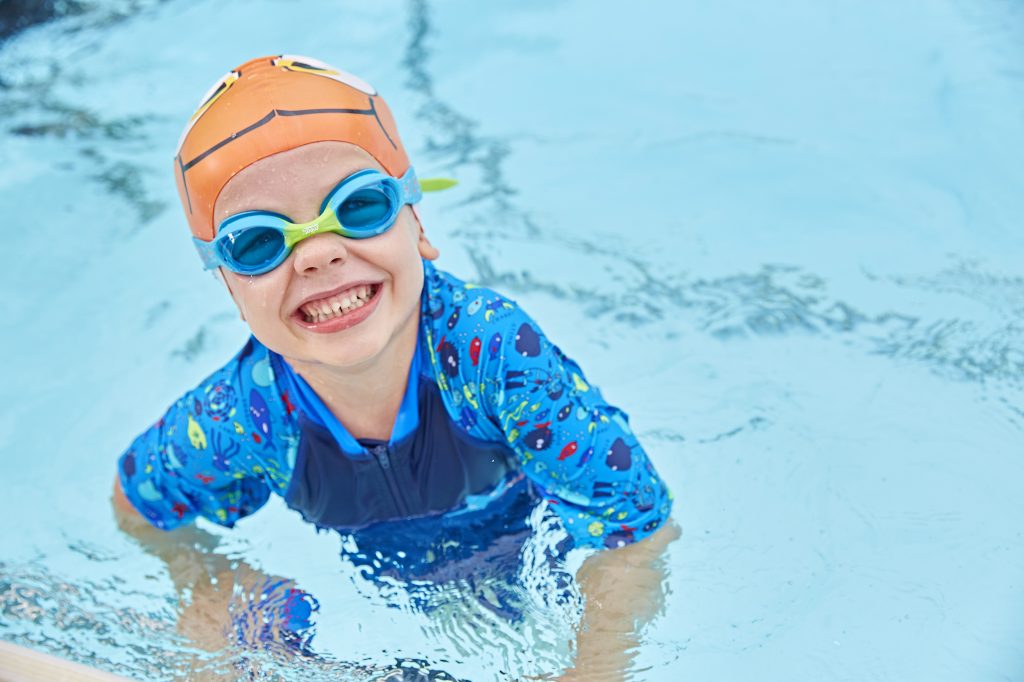
As the weather becomes warmer, both adults and children enjoy spending time outdoors, breathing fresh air away from the confinement of concrete surroundings. While it is important for children to play in the garden or at the beach, there are precautions that parents must take into consideration. Below is an overview of the most common dangers that may threaten a child during play and how to avoid them, according to Professor of Educational Psychology Janice Gibson.
June, July, and August can be wonderful months for a one-year-old child. Sunny days encourage new forms of play involving sand, water, and even mud—activities that are enjoyable and impossible during cold weather. However, the newly developed motor skills of a toddler can also lead to problems, especially since the outdoors is full of potential hazards. You can make summer both safe and enjoyable by taking precautions and keeping a close watch on your child.
Plants, Insects, and Animals
A toddler tends to put everything that catches their attention into their mouth, including garden plants, ants, worms, and even attempts to touch neighbors’ cats and dogs.
Among the things that may pose a danger to children are more than 700 species of plants and flowers that can cause illness or poisoning if eaten. These include common flowers such as lily of the valley, iris, sweet pea, and bulb flowers like daffodils and crocuses.
Another direct danger is a child’s attempt to approach a stray dog or cat. Even the friendliest pets may react aggressively if a curious child pokes their eyes or handles them in an unwanted way.
Protect your child from dangerous plants and animals by creating a fenced or designated play area. Pay close attention whenever your child leaves this protected space. Even when you believe the situation is completely under control, your child may still put a leaf or a small stone into their mouth. However, there is no need to worry excessively as long as no harm has occurred.
Try to learn about the most common poisonous plants through reading and research, and make sure your child stays away from them.
Water, Sand, and Mud
If you take your child to the beach, you will not be surprised if they show an eagerness to splash and explore at the water’s edge. At home, a small plastic pool filled with water up to a depth of 15 centimeters can also provide enjoyment. Whether at the beach or in a pool, children love filling a cup with water and pouring it repeatedly. They also find great pleasure in playing with sand.
However, these activities may involve certain risks:
Precautions
The best precaution is constant supervision.
Most cases of child drowning could be prevented through parental vigilance. An attentive parent can stop a child from rubbing sand into their own eyes or another child’s eyes. Likewise, they can prevent a cup filled with pool water from reaching the child’s mouth.
Sun and Heat
Direct sunlight contains ultraviolet rays that help the skin produce Vitamin D. Therefore, some exposure to sunlight is healthy for children.
Risks
Excessive exposure to sunlight can burn a child’s delicate skin. Even if you gradually increase your child’s exposure to sunlight at the beginning of summer, there is still a risk of heatstroke if exposure becomes excessive.
Heat rash, an itchy skin rash caused by excessive heat and sun exposure, is not dangerous but can be uncomfortable and irritating.
If you plan to stay in direct sunlight for several hours, make sure your child wears a hat to protect their head, forehead, and nose. Also cover sensitive areas of their arms and legs with lightweight clothing.
At the beach, keep your child out of direct sunlight for most of the day during their first two days of exposure. Initially, allow sun exposure mainly when they are entering the water. Remember that sunlight reflected from surfaces can burn a child’s skin even when they are in the shade.
Reduce the likelihood of heat rash—and lessen its discomfort if it occurs—by keeping your child as cool as possible. During very hot days, keep them in the shade or in the water.
Finally, most one-year-old children take a nap during the hottest part of the day. Make sure your child naps indoors or in a shaded area if outside. Never allow your child to sleep in direct sunlight.
Reality Of Islam |
|

Researchers

MIT enginee

Scientists
 9:3:43
2018-11-05
9:3:43
2018-11-05
10 benefits of Marriage in Islam
7:5:22
2019-04-08
benefits of reciting surat yunus, hud &
9:45:7
2018-12-24
advantages & disadvantages of divorce
11:35:12
2018-06-10
6:0:51
2018-10-16
2:2:13
2022-10-08
2:13:43
2022-05-27
7:59:14
2018-06-21
6:14:3
2023-01-18
al-hussain (peace be upon him)
10:18:1
2022-09-21
8:4:21
2022-01-08
6:14:17
2018-06-21
5:41:46
2023-03-18
| LATEST |
 HOME
HOME