الوضع الليلي


 10:37:3
  2024-06-09
  1951
1951
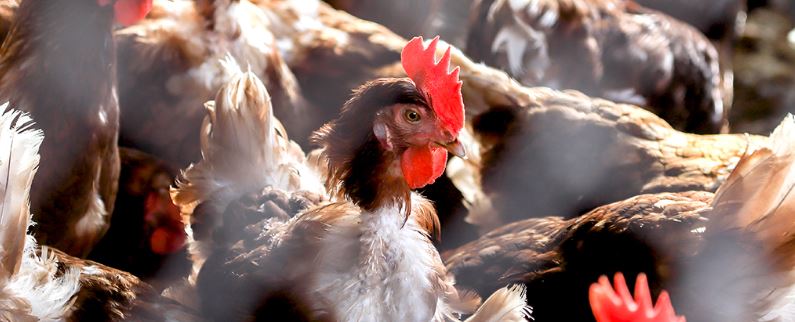
As the first reports of animal-to-human bird flu transmission begin to appear in the latest bird flu outbreak in the United States, health experts are concerned that the virus might adapt to spread from human to human.
So far, there is no evidence that that is happening, but a new study looks at what vaccines are currently in the works to protect us if it ever does.
We already have several hundred thousand shots stockpiled, left over from past trials. However, there are questions over how effective they'd be against the latest strains of bird flu, and how quickly we could scale up production efforts.
Virologists Flavio Faccin and Daniel Perez, from the University of Georgia, analyzed current efforts to prepare for a human pandemic involving the current bird flu variants – and they've identified several promising options for vaccine development.
"This deep delve into the landscape of avian influenza vaccines for humans shows vaccination remains the primary defense against the spread of these viruses," says Faccin.
Until bird flu jumps directly from one human to another, vaccines won't be produced on a mass scale, but scientists are busy perfecting different types of drug protection that would be ready to go if needed.
"Exploring and employing a diverse range of vaccine platforms is crucial for enhancing pandemic preparedness and mitigating the threat of avian influenza viruses," the researchers write in their published paper.
Faccin and Perez looked at inactivated vaccines, which are developed using dead versions of the virus they're designed to protect against. In tests, including a study on mice with the H5N1 virus, these have already shown to offer high levels of protection.
Then, there are live attenuated influenza vaccines (LAIVs), which use a weak form of a virus to get the body prepared to guard against more severe forms. These vaccines typically create a more comprehensive immune response, and again we've seen promising results for H5N1 – including in one study using monkeys.
The team also looked at newer types of vaccine technology, including virus-like particle (VLP) vaccines that try and (safely) mimic real viruses, as well as messenger RNA (mRNA), which use mRNA fragments to direct cells to produce proteins that match the virus being targeted.
Here too, early results are encouraging, and there have already been limited trials with human participants.
While there's no room for complacency – particularly given H5N1 bird flu kills half the people it infects – the vaccine research that's happened so far is encouraging. Deployment of these vaccines, if needed, will still require cooperation across many different countries and agencies, which the World Health Organization is working to ensure.
"The H5N1, H7N9, and H9N2 subtypes of avian influenza virus pose a dual threat, not only causing significant economic losses to the global poultry industry but also presenting a pressing public health concern due to documented spillover events and human cases," says Faccin.
Reality Of Islam |
|

MIT enginee

Scientists

Researchers
 9:3:43
2018-11-05
9:3:43
2018-11-05
10 benefits of Marriage in Islam
7:5:22
2019-04-08
benefits of reciting surat yunus, hud &
9:45:7
2018-12-24
advantages & disadvantages of divorce
11:35:12
2018-06-10
6:0:51
2018-10-16
6:28:21
2022-12-20
3:42:22
2021-12-24
11:2:27
2022-10-06
9:42:16
2022-10-19
7:45:39
2018-06-21
6:14:17
2018-06-21
3:18:29
2022-12-24
5:41:46
2023-03-18
| LATEST |
 HOME
HOME