الوضع الليلي


 6:10:21
 2023-12-05
 2083

Aggressive behavior in children
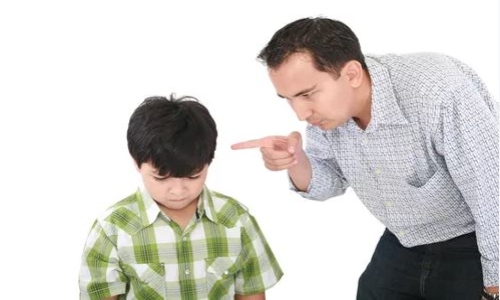
We are curious about that child, who bullies the other children when he meets them, like scratching their faces or take their toy and run away with it.
Is it really a surprising scene? Where is the innocence, purity and angelic nature of this child? Why is he bullying and aggressive?
It is certain that there are many reasons and motives that make a child bully and aggressive, the most important of which are:
First: the selfishness and feeling the existence of the competitors who wants to get all the praise and compliment, which makes them feel jealous, especially if there were compared to those of his age.
Secondly: when there is something that prevents them from accomplishing their dreams and desires, so they are seized by a state of rage and resentment, which leads to hostile actions.
Third: Depriving the child from playing and having fun and restricting his movements, so he feels pressure and constraint, which makes him angry and resentful, so pictures of rebellion and bullying appear on him.
Fourth: Conquering his fears, as there are some children who live in a state of fear of people inside. So he uses a defensive attitude to everything that comes from others, as he imagines that the children who are in front of him are the enemies, and he thinks that they want to take his belongings or harm him, so he gets them!
Fifth: the presence of some psychological pressures as a result of the child’s suffering from contradictions and psychological disorders due to educational or genetic reasons; he is seized by a vague feeling that pushes him to antagonize those around him, even if they are not guilty of that.
Sixth: Envy and jealousy, as the child has a limited horizon, as he cannot bear to see the superiority of others and their progress over him, so he stores in his brain what makes him aggressive and a bully.
Seventh: Insult, contempt, and ridicule push some children to be rebellious against those who insult them, and they become psychologically unbalanced, and interpret anything as an insult to them, or making fun of them, so they respond to them violently and aggressively.
Eighth: Aggressive behavior may arise in young children because of their feeling of hunger and their need for food, especially when it is late to prepare food for them.
Ninth: Excessive interference with children's choices, depriving them of expressing their choices and playing, for they will take revenge and act aggressively.
Tenth: the wrong raising and the negative family nutrition that the child lives in because of the harsh temper of his parents and their cold manners, and he may get beaten from them or from one of the family members, which makes him aggressive and savage.
Reality Of Islam |
|

Scientists

A simple ch

Researchers

A new break
 9:3:43
2018-11-05
10 benefits of Marriage in Islam
7:5:22
2019-04-08
benefits of reciting surat yunus, hud &
9:45:7
2018-12-24
advantages & disadvantages of divorce
11:35:12
2018-06-10
6:0:51
2018-10-16
6:14:3
2023-01-18
8:39:51
2022-09-23
9:39:36
2022-12-28
2:33:4
2023-02-15
3:42:22
2021-12-24
8:15:37
2023-02-16
8:4:21
2022-01-08
5:41:46
2023-03-18
| LATEST |
 HOME