الوضع الليلي


 5:35:33
  2022-07-16
  6807
6807
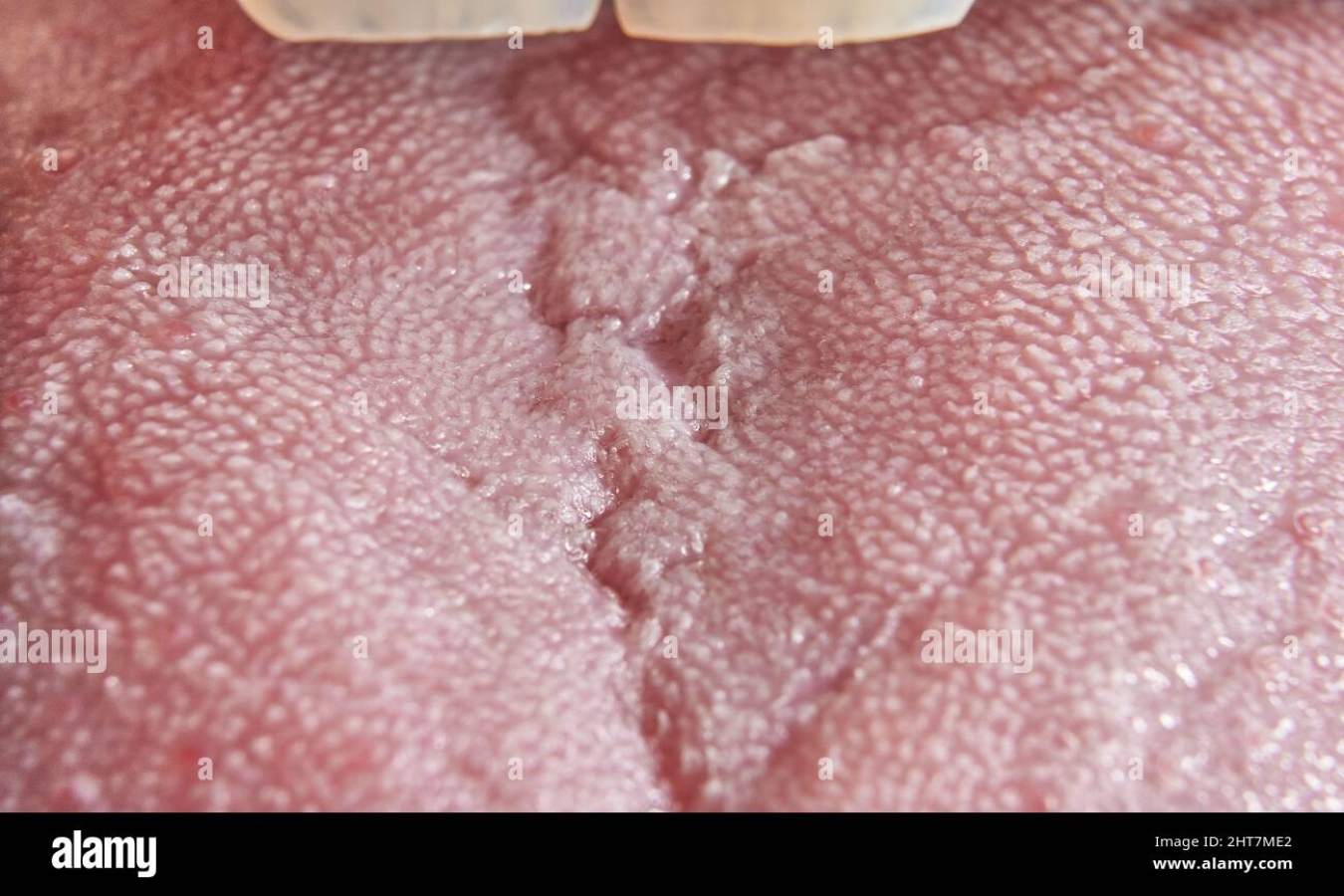
The taste system consists of 3 types of taste papillae, on which taste buds are located. Fungiform papillae, which are mushroom shaped structures, are located towards the front of the tongue. Each fungiform papillae usually contains 3-5 taste buds. Circumvallate papillae are located towards the back of the tongue, and unlike fungiform papilla, they each contain more than 100 taste buds. The ridges and grooves located along the sides of the tongue are foliate papillae. Like circumvallate papillae, foliate papillae also contain more than 100 taste buds each. A fourth type of papillae, filiform, also exists, but does not contain any taste buds.
Each taste bud consists of 30-100 taste receptor cells. Taste receptor cells are long, thin cells oriented perpendicular to the surface of the tongue. One end of the taste each taste receptor cell is exposed to the oral cavity and has microvilli on it’s surface to increase contact with stimuli. The opposing end of the taste receptor cell contacts nerve fibers which feed into the glossopharyngeal nerve, chorda tympani or vagal nerve, depending on the location of the taste bud.
When stimuli enter the oral cavity, they may bind to the taste cell membrane receptors, pass through specific channels, or activate ion channels. These processes then trigger the taste cell to release neurotransmitters, sending a signal to the brain.
The way in which different types of stimuli generate taste responses is still not fully understood. Sweet and bitter taste are thought to operate by way of specific G-protein coupled receptors, T1R and T2R, respectively. The T1R GPCR for sweet taste has been shown to have multiple binding sites, used by sugars, artificial sweeteners, and sweet taste antagonists. Bitter taste can be elicited by a far greater number, and more diverse set, of compounds than sweet taste. The great variety of bitter compounds indicates that no single receptor could be responsive to all bitter compounds. Indeed this has been shown, with more than 20 bitter T2Rs identified. It has also been shown that each bitter taste cell does not express all of the bitter T2Rs, but only a few.
Salt taste reception studies have pointed to the presence of cation channels. As the concentration in the oral cavity increases, cations flow into salt receptor cells, resulting in depolarization, and eventually the release of neurotransmitters. Varied responses to similar concentrations of different salty compounds indicate that there may be more to salt taste than cation channels on the taste cell surface.
The reception of sour taste was originally linked to the concentration of hydrogen ions. However, it has since been shown that there is no direct relationship between pH, titrable acidity, and sour taste. Solutions of organic acids at the same pH elicit differing sour taste responses. Likewise, solutions of organic acids of the same normality also result in difference sour taste responses. It is obvious that undissociated acids play a role in sour taste, but the mechanism is unclear.
Reality Of Islam |
|

Keeping sil
Two experim

Changing a
Plants are
 9:3:43
2018-11-05
9:3:43
2018-11-05
10 benefits of Marriage in Islam
7:5:22
2019-04-08
benefits of reciting surat yunus, hud &
9:45:7
2018-12-24
advantages & disadvantages of divorce
11:35:12
2018-06-10
6:0:51
2018-10-16
6:14:17
2018-06-21
1:38:41
2021-12-08
2:34:48
2022-01-18
a hero waters thirsty wild animals
9:4:9
2022-01-06
8:30:23
2022-03-03
6:0:8
2023-03-19
7:59:14
2018-06-21
5:41:46
2023-03-18
| LATEST |
 HOME
HOME