الوضع الليلي


 5:22:20
  2019-09-11
  1571
1571
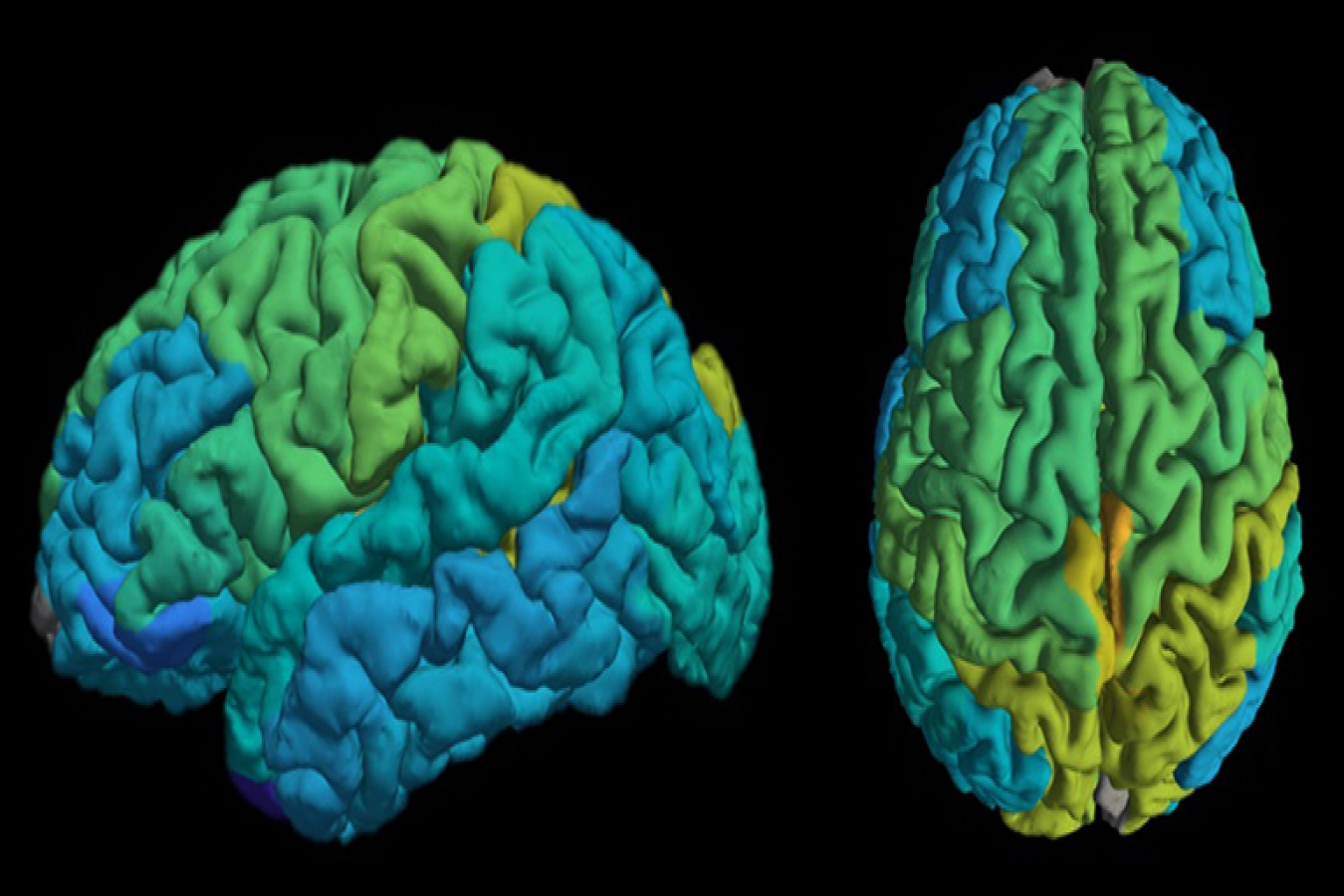
As we age, the molecular composition of our brain changes. This is a natural process, but it can also be associated with the presence of disease. Currently, there’s no practical way to study the molecular changes within living humans, and post-mortem studies are limited in the scientific information they can provide.
Now, scientists at the Hebrew University of Jerusalem have managed to use quantitative magnetic resonance imaging (qMRI) to peer into the brain and evaluate its molecular composition.
While qMRI is a powerful technique, its ability to study molecular content is muddled by water within tissues. MRIs are tuned to resonate hydrogen nuclei, so everything else becomes noise in the signal. The Israeli team used a “tissue relaxivity approach” to separate the water-borne signal from the rest of the data and to only study the molecular composition they were interested in.
Hopefully this new capability will allow other researchers to better understand the brain, help develop new therapies, and perhaps even slow the progression of brain aging.
Reality Of Islam |
|

Scientists

Researchers

A new gener

Building a
 9:3:43
2018-11-05
9:3:43
2018-11-05
10 benefits of Marriage in Islam
7:5:22
2019-04-08
benefits of reciting surat yunus, hud &
9:45:7
2018-12-24
advantages & disadvantages of divorce
11:35:12
2018-06-10
6:0:51
2018-10-16
11:11:59
2023-02-01
8:39:51
2022-09-23
10:47:11
2022-11-22
12:47:1
2022-12-20
9:50:37
2023-02-28
9:42:16
2022-10-19
10:43:56
2022-06-22
5:41:46
2023-03-18
| LATEST |
 HOME
HOME