الوضع الليلي


 7:12:51
  2019-07-29
  2336
2336
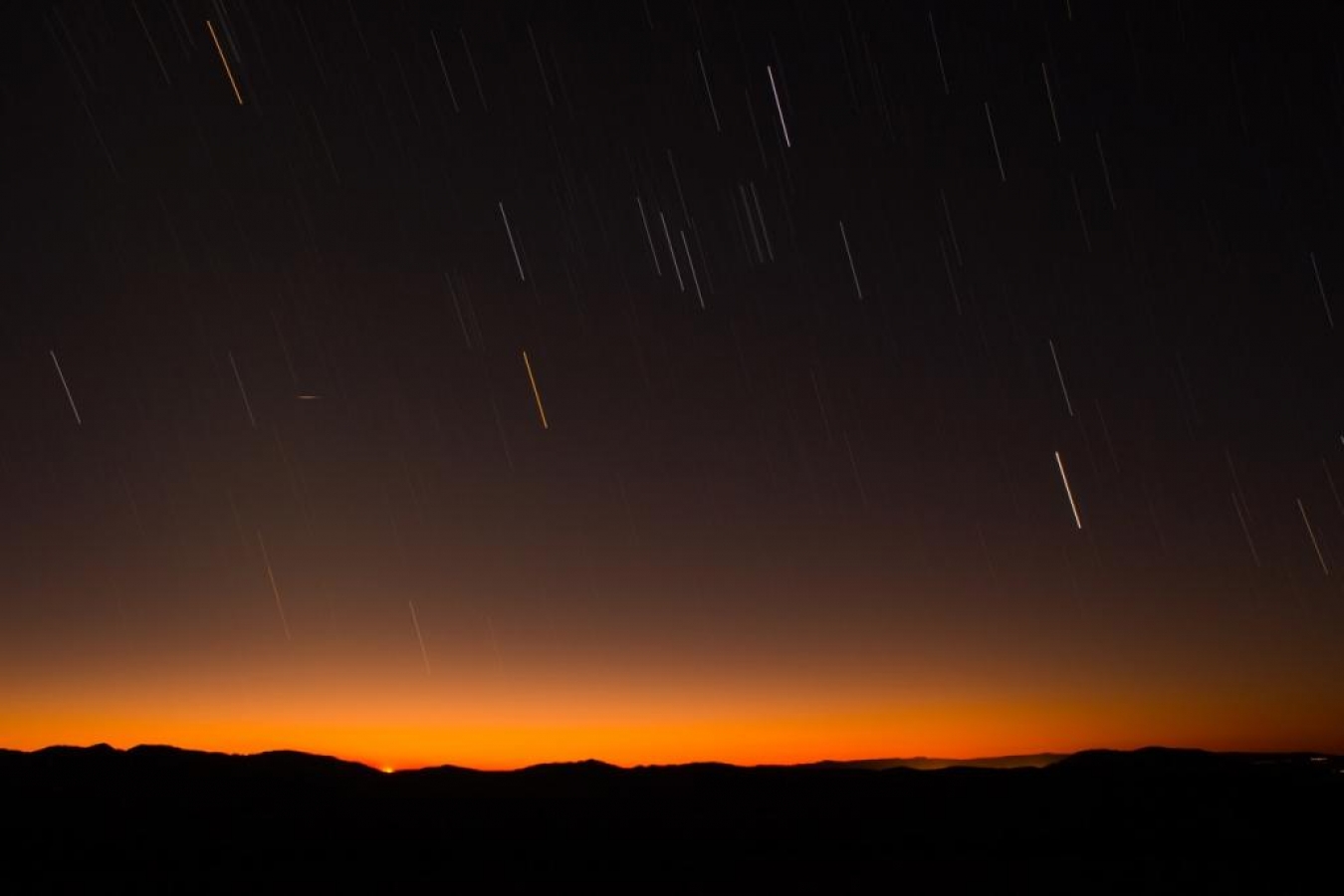
July is usually a great time to catch Saturn during the late-night hours. But there's something else to look forward to as well. The Delta Aquarid Meteor Shower also known as Southern Delta Aquariids is currently at its peak and will be visible until August 23, according to the American Meteor Society. The meteor shower will be at its peak during the late hours of Monday, July 29. Delta Aquarid meteor is usually best seen from the southern hemisphere. However, the Delta Aquarid meteor shower is can be seen from mid-northern latitudes as well.
When the Moon is out of the way, these meteor showers are capable of producing up to 20 meteors per hour. During the first week of August, you'll be able to view the popular Perseids as well.
What is the Delta Aquarid meteor shower?
Meteors are formed by leftover particles from a comet along with bits of broken asteroids. When a comet goes around the Sun, it emits dust that slowly spreads into a trail of debris. When Earth passes through the trail of this debris, these small bits collide with the atmosphere to create a spectacular meteor shower in the sky.
The Delta Aquarids seem to have been formed from the comet 96P/Machholz. This comet orbits the Sun once in 5 years. Their radiant comes from the Aquarius constellation. Their name comes from the third brightest star in Aquarius, known as Delta.
Five to 10 percent of these meteors leave a persistent glowing trail that lasts for about a second once the meteor has passed. The Delta Aquarid meteors burn in the upper atmosphere (roughly 100km) above the Earth's surface.
How to watch the Delta Aquarid meteor shower?
As mentioned earlier, the Delta Aquarid meteor shower is best visible in the southern hemisphere. To enjoy the celestial spectacle, make sure you're away from a noisy city and lights.
Once you've spent some time in the dark, and your eyes are accustomed to the environment, look between the horizon and the zenith, and 45 degrees from the constellation of Aquarius. You can use a mobile app to guide you through the constellation during the night sky.
The Delta Aquariids aren't the brightest meteor showers. In case the Moon is around, you could miss them entirely or only see faint images. In case you miss it tonight, you can still watch them later in August along with the Perseids.
The meteor shower will be visible for a few hours during its normal peak on August 1, 2019. It'll be visible in an open night sky, away from any type of artificial light.
Reality Of Islam |
|
Keeping sil
Two experim
Changing a
Plants are
 9:3:43
2018-11-05
9:3:43
2018-11-05
10 benefits of Marriage in Islam
7:5:22
2019-04-08
benefits of reciting surat yunus, hud &
9:45:7
2018-12-24
advantages & disadvantages of divorce
11:35:12
2018-06-10
6:0:51
2018-10-16
2:33:4
2023-02-15
a hero waters thirsty wild animals
9:4:9
2022-01-06
10:55:53
2022-06-13
6:14:3
2023-01-18
4:2:19
2022-10-10
7:45:39
2018-06-21
3:43:50
2022-11-05
5:41:46
2023-03-18
| LATEST |
 HOME
HOME