الوضع الليلي


 3:34:9
  2025-02-13
  1975
1975
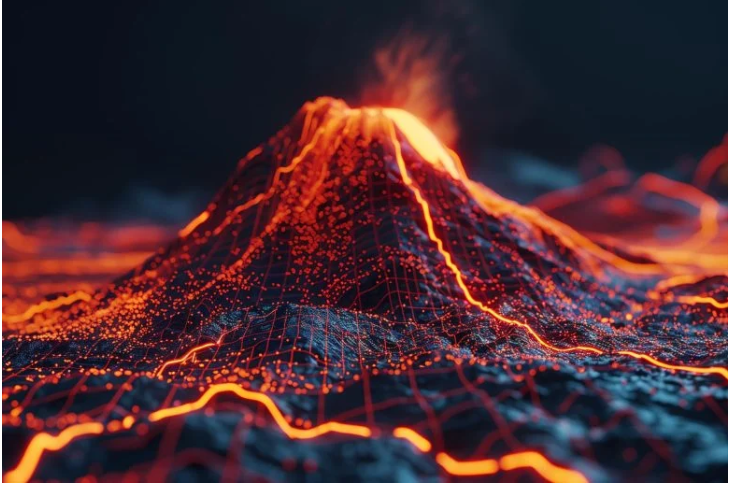
Researchers found that magma chambers beneath Cascade Range volcanoes persist even when the volcanoes are dormant, challenging previous assumptions. This discovery could improve volcanic monitoring and eruption prediction.
New research led by Cornell University challenges the long-standing belief that active volcanoes contain large magma bodies that are expelled during eruptions and gradually dissipate as the volcanoes become dormant.
Using seismic waves, researchers identified magma chambers beneath six volcanoes of varying sizes and dormancy within the Cascade Range, which includes half of the U.S. volcanoes designated as “very high threat” by the U.S. Geological Survey. The team discovered that all of the volcanoes, including dormant ones, contain persistent and sizable magma bodies.
The study, led by postdoctoral researcher Guanning Pang, was published in Nature Geoscience and co-authored by Geoffrey Abers, professor in geological sciences.
Their results are surprising given that some of these volcanoes, such as the Crater Lake volcano in Oregon, have not been active in millennia.
Magma Bodies Exist Throughout a Volcano’s Lifetime
“Regardless of eruption frequency, we see large magma bodies beneath many volcanoes,” Pang said. “It appears that these magma bodies exist beneath volcanoes over their whole lifetime, not just during an active state.”
The fact that more volcanoes have sustained magma bodies is an important consideration for how researchers may monitor and predict future volcanic activity. The U.S. Geological Survey has been expanding and upgrading its volcanic monitoring networks in the Cascade Range and elsewhere as part of the National Volcano Early Warning System, with the aim of detecting signals of an impending eruption as early as possible.
“We used to think that if we found a large amount of magma, that meant increased likelihood of eruption,” Pang said, “but now we are shifting perception that this is the baseline situation.”
The results suggest that an eruption does not completely drain a magma chamber, instead, it lets off some of the excess volume and pressure. The chamber can be slowly expanded and refilled over time due to gradual melting of the crust.
“If we had a better general understanding of where magma was, we could do a much better job of targeting and optimizing monitoring,” Abers said, noting that there are a “great many volcanoes that are sparsely monitored or have not been subject to intensive study.”
Plans are already in the works to expand the magma monitoring system and see if the Cascade discovery translates to other locations, including Alaska.
Reality Of Islam |
|
Keeping sil
Two experim
Changing a
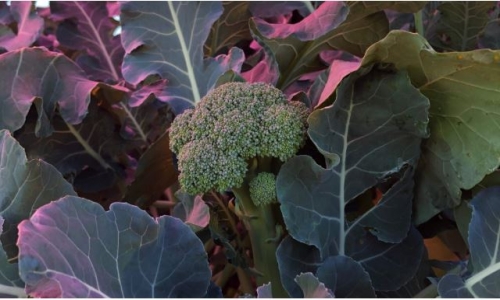
Plants are
 9:3:43
2018-11-05
9:3:43
2018-11-05
10 benefits of Marriage in Islam
7:5:22
2019-04-08
benefits of reciting surat yunus, hud &
9:45:7
2018-12-24
advantages & disadvantages of divorce
11:35:12
2018-06-10
6:0:51
2018-10-16
12:10:56
2022-11-17
11:34:48
2022-06-29
12:47:1
2022-12-20
10:43:56
2022-06-22
1:16:44
2018-05-14
2:34:48
2022-01-18
3:18:29
2022-12-24
5:41:46
2023-03-18
| LATEST |
 HOME
HOME