الوضع الليلي


 5:8:37
  2024-08-14
  1932
1932
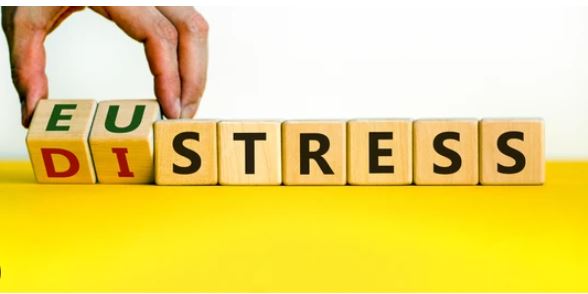
When we hear the word "stress," our minds often jump to the negative connotations—think anxiety, burnout, or sleepless nights. But what if I told you that stress isn't all bad? In fact, a type of stress called "eustress" can be incredibly beneficial for your well-being. Yes, you read that right—stress can be good for you! Let's dive into the different types of stress, their impacts on our bodies, and why embracing eustress can lead to a happier, healthier life.
First things first: Let's break down what stress actually is. Stress is our body's natural response to challenges or demands, triggering a series of physiological and psychological reactions. It's a survival mechanism that helps us react quickly in dangerous situations. But not all stress is created equal. There is good stress, known as “eustress,” and bad stress, known as “distress.”
Distress is what we typically think of when we hear the word "stress." It's the kind of stress that can feel overwhelming and debilitating, often leading to anxiety, depression, and other negative health outcomes. Chronic distress can harm our immune system, increase the risk of cardiovascular diseases, and impair cognitive functions.
“When we’re stressed, our brains persistently mis-predict what will make us happy.”
Recent science has been shedding new light on the fascinating ways stress interacts with our bodies. For instance, a 2021 study from researchers at Yale introduced a measurement called GrimAge, which gauges the rate of aging in our bodies. They discovered that frequent distress could accelerate the aging process. The interesting twist? Those who manage stress well and stay calm under pressure tend to age more slowly. So, by mastering the art of staying relaxed and handling stress with grace, we might just hold onto that youthful spark a bit longer.
On the flip side, eustress is the positive form of stress. It comes from the Greek word "eu," meaning "good," and "stress." Eustress is the kind of stress that motivates and energizes us. It's the feeling you get when you're excited about a new project, preparing for a big event, or facing a challenge that feels just within your reach.
So, what does the science say about eustress? The difference between eustress and distress is our perception and response to stress. That’s it! A study conducted by Alia Crum and Peter Salovey in 2013 found that individuals who viewed stress as a challenge rather than a threat experienced more positive outcomes. This mindset shift can transform stress from a negative force into a powerful motivator.
Another study by Shelley Taylor in 2011 highlighted the "tend-and-befriend" response, a positive reaction to stress that promotes social bonding and resilience. This response is particularly prominent in women, who may benefit from stress by seeking social support and nurturing relationships. These studies suggest that the way we interpret and react to stress plays a crucial role in determining its impact on our lives.
Reality Of Islam |
|
Charged rai

NASA has de
MIT researc
 9:3:43
2018-11-05
9:3:43
2018-11-05
10 benefits of Marriage in Islam
7:5:22
2019-04-08
benefits of reciting surat yunus, hud &
9:45:7
2018-12-24
advantages & disadvantages of divorce
11:35:12
2018-06-10
6:0:51
2018-10-16
10:43:56
2022-06-22
1:38:41
2021-12-08
4:26:43
2022-02-21
9:50:37
2023-02-28
1:16:44
2018-05-14
11:2:27
2022-10-06
8:39:51
2022-09-23
5:41:46
2023-03-18
| LATEST |
 HOME
HOME