الوضع الليلي


 3:3:36
  2026-09-05
  65
65
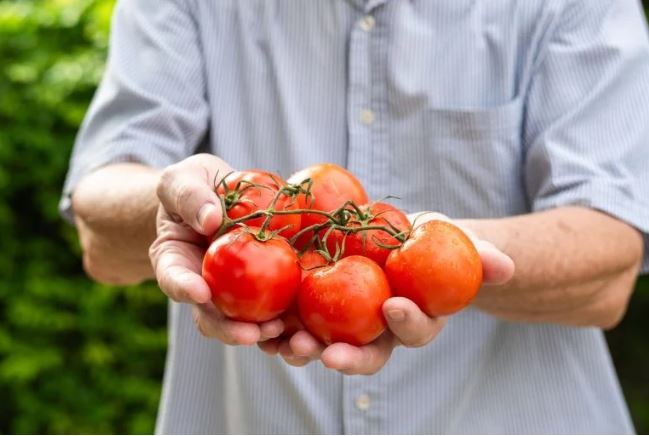
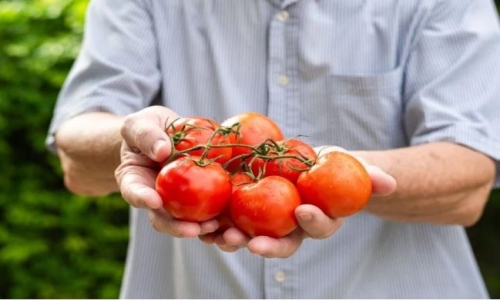
A tomato contains a hidden ingredient that the eye cannot see, and it may be just as important to liver health as the red pigment that made the fruit famous.
Researchers at Tufts University found that phytoene, a colorless precursor used by plants to make lycopene, sharply reduced fatty liver disease in mice. The discovery could help explain why whole tomato powder has sometimes protected the liver more effectively than purified lycopene alone.
The study, published in Molecular Nutrition & Food Research, focused on metabolic dysfunction-associated steatotic liver disease, a chronic condition estimated to affect up to 38% of U.S. adults.
A Growing but Often Silent Liver Disease
Metabolic dysfunction-associated steatotic liver disease begins when fat accumulates inside liver cells. It may cause few noticeable symptoms at first, but persistent fat buildup can provoke inflammation, damage liver tissue, and eventually lead to cirrhosis.
As many as 100 million U.S. adults may have the disease. The estimated prevalence rises to 75% among Americans with obesity or diabetes, conditions closely connected to the metabolic problems that encourage fat to collect in the liver.
Diet is only one part of the disease, but foods and nutrients that influence how the liver stores or burns fat could help researchers identify new preventive strategies. Tomatoes have attracted interest because animal studies have repeatedly linked them to better liver health.
Why Lycopene Was Not the Whole Story
Lycopene has received much of the attention because it gives ripe tomatoes their red color and acts as an antioxidant. Yet tomato powder has outperformed purified lycopene in previous animal experiments, suggesting that the fruit’s benefits may come from several compounds working together.
Phytoene became a compelling candidate because plants use it as an early building block for lycopene and other carotenoids, the pigments responsible for many red, orange, and yellow foods. Unlike those colorful compounds, phytoene itself is colorless.
“Both lycopene and phytoene are found in substantial amounts in tomatoes and tomato products,” said Na Youn Lee, lead author of the study and a Ph.D. candidate at the Gerald J. and Dorothy R. Friedman School of Nutrition Science and Policy at Tufts University. “But we know from previous research that phytoene is actually more readily absorbed by the body.”
To test its effects, the researchers fed mice a diet rich in refined carbohydrates for six months. The diet was intended to model eating patterns associated with fatty liver disease in people, including frequent consumption of sugary foods and beverages.
Half of the mice also received phytoene at a dose comparable to a person consuming three to four medium raw tomatoes or 100 grams (3.5 ounces) of tomato paste, slightly more than one third of a cup, each day.
Phytoene Helped the Liver Burn Fat
The team examined liver health, metabolism, and gut bacteria in mice that received phytoene and those that did not. The researchers also compared males with females and typical mice with animals missing two enzymes that transform carotenoids into biologically active metabolites.
Mice given phytoene developed far less severe fatty liver disease despite eating the same unhealthy diet. Changes in gut bacteria did not appear to explain the protection.
Instead, phytoene activated several proteins that control liver metabolism. This activity appeared to shift the liver toward burning excess fat for energy rather than allowing it to accumulate inside cells.
The experiment also produced an unexpected clue about how the compound works. Mice lacking the two carotenoid processing enzymes accumulated much larger amounts of phytoene, yet they did not receive the same liver protection. That result suggests phytoene may need to be broken into smaller metabolites before it becomes beneficial.
Genes and Sex Could Shape the Benefits
People can carry genetic differences in the enzymes that process phytoene. Identifying the protective metabolites could therefore reveal why some individuals might respond differently to the same amount of phytoene in food.
Biological sex may matter as well. Female mice accumulated more phytoene in their livers than males, indicating possible differences in absorption or metabolism. Researchers do not yet know whether that variation changes the compound’s protective power.
“Our findings have broad implications, as phytoene is not only abundant in yellow, orange, and red tomatoes but also exists in many common fruits and vegetables, including carrots, red peppers, pink grapefruit, watermelon, and apricots,” said Xiang-Dong Wang, senior author of the study and a senior scientist at the Jean Mayer USDA Human Nutrition Research Center on Aging at Tufts University. “Should further research validate our findings, encouraging people to eat more phytoene-rich fruits and vegetables could be a useful strategy to help prevent metabolic liver disease or slow its progression in high-risk individuals.”
Reality Of Islam |
|

Researchers

New phononi

For more th
A new polym
 9:3:43
2018-11-05
9:3:43
2018-11-05
10 benefits of Marriage in Islam
7:5:22
2019-04-08
benefits of reciting surat yunus, hud &
9:45:7
2018-12-24
advantages & disadvantages of divorce
11:35:12
2018-06-10
6:0:51
2018-10-16
6:0:8
2023-03-19
10:35:40
2022-05-26
7:6:7
2022-03-21
1:38:41
2021-12-08
6:28:21
2022-12-20
7:32:24
2022-02-14
2:42:26
2023-02-02
5:41:46
2023-03-18
| LATEST |
 HOME
HOME