الوضع الليلي


 4:27:58
  2024-09-15
  1810
1810

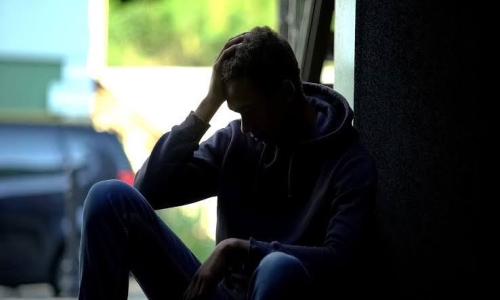
Most of us will be all too familiar with that dopey, groggy feeling of being tired after a restless night. Some social media users have taken tiredness to the extreme, however, by taking part in what they call a "no-sleep challenge."
One 19-year-old Youtuber, Norme, live streamed his attempt to break a world record for consecutive days without sleep.
At the 250-hour mark, viewers voiced concerns about Norme's health and wellbeing but he eventually finished with a "no sleep" time of 264 hours and 24 minutes.
Norme's attempt earned him bans from social media platforms YouTube and Kick. But, despite his claims to have beaten the world record, his ordeal was not enough to beat the last Guinness World Record holder Robert Mcdonald, who racked up 453 hours – almost 19 days! – in 1986.
In 1997, Guinness World Records stopped monitoring the record for the longest time without sleep for safety reasons – and they were quite right. Going without sleep for extended periods of time can prove extremely dangerous.
Adults should aim for more than seven hours' sleep per night on a regular basis. Chronic inability to get sufficient sleep is associated with increased risk of multiple conditions such as depression, diabetes, obesity, heart attack, hypertension and stroke.
Sleep is an important part of our daily routine. It enables many of our bodily systems to rest and focus on repair and recovery.
During the first three stages of sleep, the parasympathetic nervous system – which regulates rest and digestion – takes control. This reduces reduces heart rate and blood pressure.
In the final stage, the rapid eye movement (REM) stage, heart activity increases and eyes move – this stage is key to cognitive functions such as creativity, learning and memory. Alcohol or caffeine consumption prior to bed can disturb these sleep cycles.
Sleep deprivation can be acute or chronic. Acute deprivation can happen over a day or two.
While it may seem like a short period of time, 24 hours of sleep deprivation can cause a greater degree of functional impairment than being just over the drink-drive limit.
Symptoms of acute sleep deprivation can include puffy eyes or dark under-eyes, irritability, cognitive decline, brain frog and food cravings.
During the second day without sleep, symptoms increase in intensity and behavioural changes occur, as well as a further decline in cognitive functions. The body's need for sleep becomes stronger causing "microsleeps" – involuntary naps lasting around 30 seconds.
The body's need for food increases as well as physiological responses such as systemic inflammation and impaired immune response, making us more susceptible to illness.
The third 24-hour period can trigger a desperate urge to sleep, increasing likelihood of longer microsleeps, depersonalization – feelings of detachment from reality – and hallucinations.
Once into day four of sleeplessness, all symptoms become much worse progressing to sleep deprivation psychosis where you're unable to interpret reality and possess a painful desire to sleep.
Recovery from sleep deprivation varies from person to person, with a solid overnight sleep being enough for some to recover. For others it can take days or weeks.
However, studies have shown that recovery sleep often doesn't reverse the metabolic changes that can cause weight gain and a decrease in insulin sensitivity, even from relatively short periods of sleep deprivation.
Shift workers can be continually sleep deprived. Night shift workers typically average one-to-four hours' less sleep per day than people whose work time falls within daylight hours – and this can increase their risk of early death.
In fact many studies have shown too little sleep is associated with an increased risk of death. But too much sleep has also been associated with an increased risk of death.
It's best for health, then, to avoid the social media challenges and instead opt for good sleep hygiene to get your seven-to-nine hours of quality shut-eye. Your body will thank you for it.
Reality Of Islam |
|

Keeping sil

Two experim

Changing a
Plants are
 9:3:43
2018-11-05
9:3:43
2018-11-05
10 benefits of Marriage in Islam
7:5:22
2019-04-08
benefits of reciting surat yunus, hud &
9:45:7
2018-12-24
advantages & disadvantages of divorce
11:35:12
2018-06-10
6:0:51
2018-10-16
11:34:48
2022-06-29
2:34:48
2022-01-18
3:42:22
2021-12-24
2:13:43
2022-05-27
3:18:29
2022-12-24
1:16:44
2018-05-14
2:5:14
2023-01-28
5:41:46
2023-03-18
| LATEST |
 HOME
HOME