الوضع الليلي


 4:30:26
  2024-07-07
  2146
2146
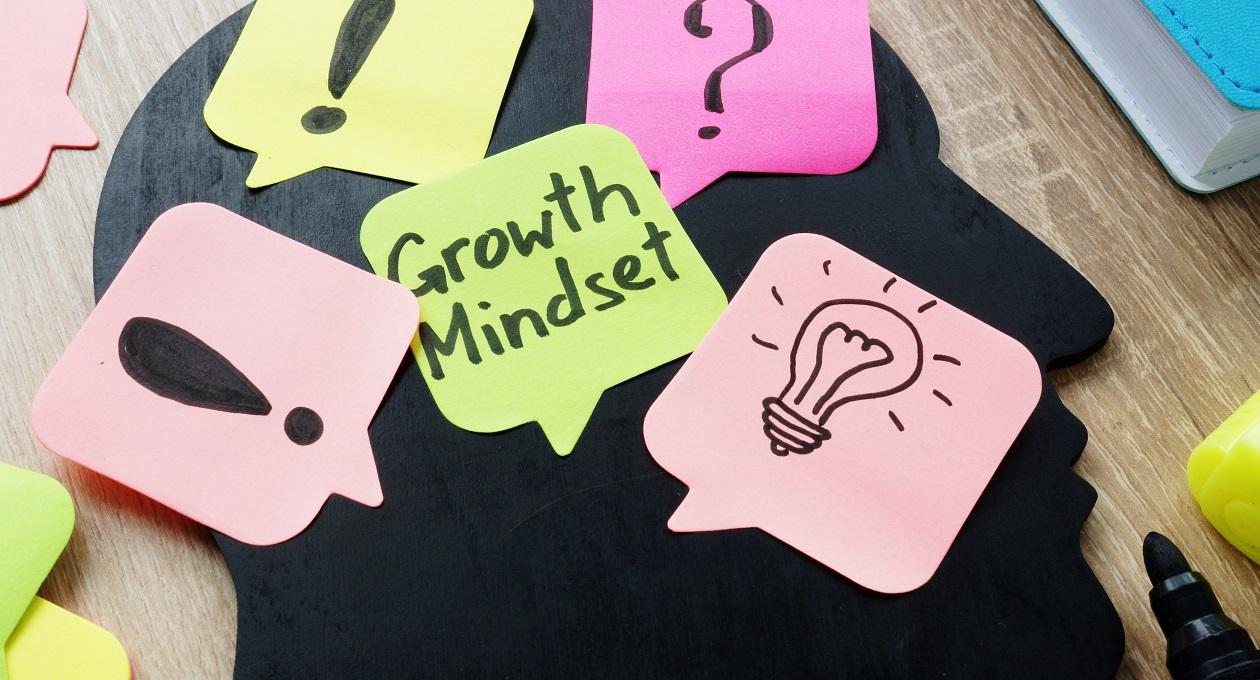
The need to overcome difficult tasks is an inherent feature of everyday life. Your boss gives you a deadline that you can’t even imagine meeting. Later that day, a close relative asks you to prepare a meal for other family members that will break your budget. Either you say “no” and risk losing either (a) your job or (b) the regard of this relative, or you buckle down and figure out a way to get the thing done.
You can undoubtedly think of many other cases in your life in which you stood at the bottom of a mountain and could not see a way up and over it. When you eventually do succeed, how do you look back at the experience? Are you glad you faced and overcame the difficulty, or do you think the whole thing was a waste of time and energy? Maybe you met that deadline after all, but was it worth the effort? Perhaps you got that meal prepared and everybody loved it, but wouldn’t you have been better off saving the money and using it toward something you actually needed?
According to University of Texas psychologist Veronica X. Yan and colleagues (2024), “Identity-Based Motivation (IBM)” leads people to draw conclusions about their own resilience and coping ability from a “difficulty mindset.” There are three types of difficulty mindsets: regarding difficulty as important, regarding it as impossible, or regarding it as a path toward self-improvement. The identity you derive from this mindset is based on whether you see yourself as optimistic, ethical, finding purpose, and persevering.
Putting all of this into more personal terms, think about one of those challenges that you faced and eventually overcame. How did you interpret this success as reflecting on yourself as a person? Even if things didn’t work out as you hoped, do you still feel that you are better now than you were before you started?
IBM proposes that the way people view and interpret life difficulties is, in part, a function of cultural values. In the words of the authors, “Each society provides people with a set of implicit blueprints for how to make sense of their experiences; this set of blueprints together form its culture” (p. 1007). Several of these blueprints include whether people feel they deserve to be rewarded for their efforts, whether a higher authority exists for which people should suffer, and conservatism, or the belief that there is a reason for things being the way that they are. Which of these blueprints guides your own approach to overcoming life’s obstacles?
Reality Of Islam |
|

Keeping sil

Two experim

Changing a

Plants are
 9:3:43
2018-11-05
9:3:43
2018-11-05
10 benefits of Marriage in Islam
7:5:22
2019-04-08
benefits of reciting surat yunus, hud &
9:45:7
2018-12-24
advantages & disadvantages of divorce
11:35:12
2018-06-10
6:0:51
2018-10-16
7:6:7
2022-03-21
7:34:7
2023-02-28
8:39:51
2022-09-23
8:30:23
2022-03-03
12:10:56
2022-11-17
8:15:37
2023-02-16
6:28:21
2022-12-20
5:41:46
2023-03-18
| LATEST |
 HOME
HOME