الوضع الليلي


 11:36:11
  2024-05-11
  1889
1889
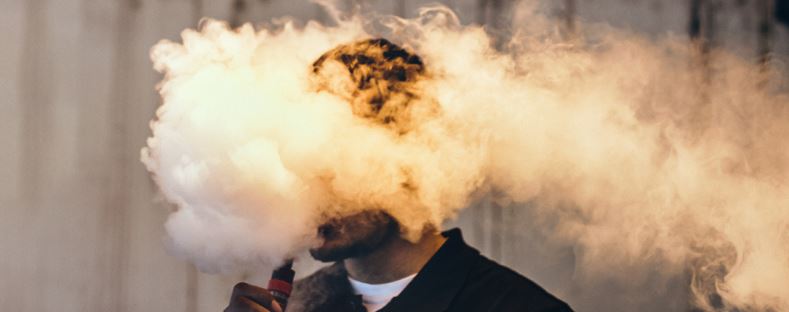
Vaping has become widely adopted as an alternative to traditional smoking. The latest figures show 4.5 million people in the UK regularly use e-cigarettes.
However, there are many concerning unknowns about vaping's long term health impacts, especially for the younger, "never-smoked" generations – for whom flavored vapes are the most attractive and common entry point.
To understand the health impact of flavored vapes on the population, I led a research project using artificial intelligence (AI) to predict the chemical changes that occur when vapes are used.
While it took over 30 years of research to gather the evidence that tobacco smoking causes cancers, AI allows us access to this key information more quickly for all vapes.
Although the UK government has introduced the tobacco and vapes bill, our findings indicate the need for even tighter regulation – fast.
Our study has uncovered something that, until now, has received limited attention: the potentially harmful substances produced when e-liquids in vaping devices are heated for inhalation.
We used an AI neural network model – a method that teaches computers to process data in a way that is inspired by the human brain – to simulate the effects of heating e-liquid flavor chemicals found in nicotine vapes.
Then, examining all 180 known e-liquid flavor chemicals, it predicted the new compounds formed when these substances are heated in a vaping device immediately prior to inhalation.
Worryingly, this revealed the formation of many hazardous chemicals including 127 classified as "acute toxic", 153 as "health hazards", and 225 as "irritants" (some were classified in more than one of these categories). Among these, volatile carbonyls (VCs) – chemicals known for their negative health effects – were predicted to form in the fruit-, candy- and dessert-flavored products that are most popular with younger vapers.
Vaping in the never-smoked generation
Our findings indicate a significantly different profile of chemical hazards compared with traditional tobacco smoking. We could even be on the cusp of a new wave of chronic diseases that will emerge 15 to 20 years from now due to prolonged exposures.
The huge array of flavors available in vaping products – made up of over 180 different chemicals blended in various amounts – is what makes their chemistry so challenging compared with traditional cigarette smoke.
This cocktail of chemicals – derived from the food industry where they have a good safety record for specific uses in flavored drinks, pastries and sweets – were never intended to be heated to high temperatures for inhalation.
Vaping devices vary widely in operation and temperature control, so the resulting chemical reactions can differ. This increases the unpredictability of potential health risks. Users may be unknowingly increasing their risk of exposure to harmful chemicals.
With the AI framework developed in our study, we hope to dig further into this variability to develop risk reports for individual flavors.
What should come next?
Our study adds to the growing body of evidence suggesting that vaping, a supposedly safer alternative to traditional smoking, is coming with its own novel portfolio of health risks. The flavors – often designed to appeal to younger users – may contribute significantly to these risks.
I believe the need for stricter, comprehensive regulations on the ingredients used in vapes, including nicotine-free vapes, is clear. For example, policymakers should mandate that sellers of these products prove their safety claims, particularly when marketed to non-tobacco smokers.
With vaping continuing its meteoric rise in popularity, technology and AI are important tools to help us look into the future of the health issues that vapers may face. We hope that by uncovering the chemical transformations in flavored vapes, we are helping to inform public health policies on vaping that reflect its true risks and enable users to make more informed decisions.
It is vital that we learn from our past mistakes, where generations were misled about the safety of smoking. With the help of AI, we can change this trajectory to prevent history from repeating itself.
Reality Of Islam |
|
MIT enginee

Scientists

Researchers
 9:3:43
2018-11-05
9:3:43
2018-11-05
10 benefits of Marriage in Islam
7:5:22
2019-04-08
benefits of reciting surat yunus, hud &
9:45:7
2018-12-24
advantages & disadvantages of divorce
11:35:12
2018-06-10
6:0:51
2018-10-16
6:28:21
2022-12-20
12:47:1
2022-12-20
allah will not answer all your prayers
6:56:28
2022-01-01
10:55:53
2022-06-13
a hero waters thirsty wild animals
9:4:9
2022-01-06
3:18:29
2022-12-24
11:11:59
2023-02-01
5:41:46
2023-03-18
| LATEST |
 HOME
HOME