الوضع الليلي


 12:52:40
  2026-05-10
  1193
1193
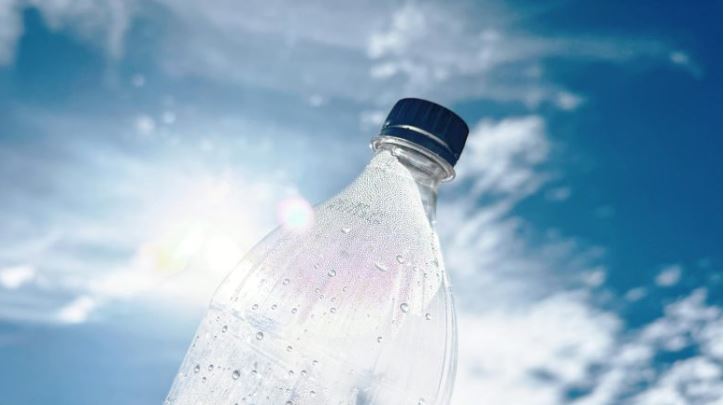
Scientists are exploring a method to convert plastic waste into fuels and valuable chemicals using sunlight, potentially addressing both pollution and energy challenges.
Scientists are developing a potential solution to two major global problems, plastic pollution and clean energy, by using sunlight to turn discarded plastics into useful fuels.
A new study led by University of Adelaide PhD candidate Xiao Lu examines how solar-powered systems can convert plastic waste into hydrogen, syngas, and other industrial chemicals. This approach could support the transition to a more sustainable, circular economy.
Worldwide, more than 500 million tons of plastic are produced each year, and millions of tons end up in the environment. At the same time, growing pressure to cut fossil fuel use has intensified the search for cleaner energy alternatives.
The study, published in Chem Catalysis, shows that plastics, which are rich in carbon and hydrogen, could be treated as a valuable resource rather than simply waste.
“Plastic is often seen as a major environmental problem, but it also represents a significant opportunity,” said Ms Lu. “If we can efficiently convert waste plastics into clean fuels using sunlight, we can address pollution and energy challenges at the same time.”
How Solar-Driven Photoreforming Works
This method, called solar-driven photoreforming, relies on light-sensitive materials known as photocatalysts to break down plastics at relatively low temperatures. The process can generate hydrogen, a clean fuel that produces no emissions at the point of use, along with other useful industrial chemicals.
Compared with conventional hydrogen production through water splitting, this approach requires less energy because plastics are easier to oxidize. That advantage could make it more practical for large-scale use.
Recent research has reported strong performance, according to senior author Professor Xiaoguang Duan from the School of Chemical Engineering at the University of Adelaide.
Scientists have achieved high hydrogen output along with the production of acetic acid and diesel-range hydrocarbons. Some systems have operated continuously for more than 100 hours, showing improving stability and efficiency.
Technical Challenges and Limitations
Despite these advances, several obstacles remain before the technology can be widely used.
“One major hurdle is the complexity of plastic waste itself,” Prof Duan said. “Different types of plastics behave differently during conversion, and additives such as dyes and stabilizers can interfere with the process. Efficient sorting and pre-treatment are therefore essential to maximize performance and product quality.”
Designing better photocatalysts is another challenge. These materials must be highly selective and durable so they can perform under harsh chemical conditions without losing efficiency. Current systems can degrade over time, limiting long-term use.
“There is still a gap between laboratory success and real-world application,” Prof Duan said. “We need more robust catalysts and better system designs to ensure the technology is both efficient and economically viable at scale.”
Scaling Up and Future Directions
Separating the final products also remains difficult. The process often produces a mix of gases and liquids that require energy-intensive purification, which can reduce overall sustainability.
To overcome these issues, researchers suggest a more integrated strategy that combines advances in catalyst design, reactor engineering, and system optimization. New ideas include continuous-flow reactors, systems that combine solar energy with heat or electricity, and improved monitoring to boost efficiency.
The team also outlines a path toward scaling up the technology, with goals such as higher energy efficiency and continuous industrial operation in the years ahead.
“This is an exciting and rapidly evolving field,” Ms Lu said. “With continued innovation, we believe solar-powered plastic-to-fuel technologies could play a key role in building a sustainable, low-carbon future.”
Reality Of Islam |
|
A study of

Researchers

MIT enginee
 9:3:43
2018-11-05
9:3:43
2018-11-05
10 benefits of Marriage in Islam
7:5:22
2019-04-08
benefits of reciting surat yunus, hud &
9:45:7
2018-12-24
advantages & disadvantages of divorce
11:35:12
2018-06-10
6:0:51
2018-10-16
4:2:19
2022-10-10
5:58:12
2021-12-18
6:28:21
2022-12-20
8:30:23
2022-03-03
10:35:40
2022-05-26
2:11:12
2022-10-15
10:47:11
2022-11-22
5:41:46
2023-03-18
| LATEST |
 HOME
HOME